Search Results
478 results for “common diseases”
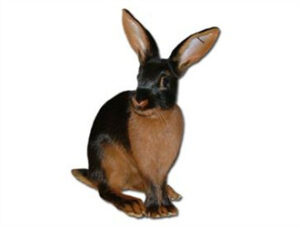
Tan Rabbit
The Tan Rabbit's coat color is the result of selective breeding—not fixed, but pieced together from color blocks. It is a small-to-medium rabbit, usually kept on a small scale, and not commonly seen in the market.
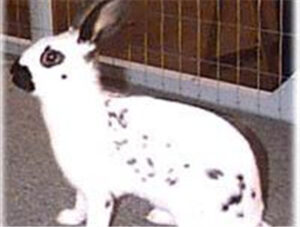
English Spot Rabbit
The English Spot Rabbit, also called the Spot Rabbit or British Spot Rabbit, is an ancient large pet rabbit resembling a Dalmatian dog with black spots across its white body. Not common in China, it needs attentive foot and ear care to stay healthy.
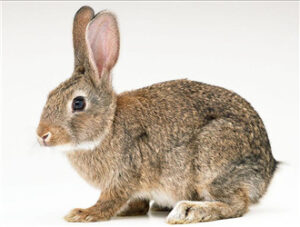
Belgian Rabbit
The Belgian Rabbit, also known as the Giant Gray Rabbit or Flemish Giant, is a famous meat rabbit breed originally from Belgium. With its large build, yellowish-brown coat, and high meat yield, it is mostly raised on farms in rural areas rather than kept as a pet.

Dusk Parrot
The Dusk Parrot (Pionus fuscus) inhabits forests, coastal lowlands, and farmland across northern South America. Once rare in aviculture with very high mortality among wild imports, it remains uncommon in captivity, and deforestation and habitat loss have greatly reduced wild populations.

Chinchilla laniger
The Chinchilla laniger (Chinchilla laniger) is native to the Andes Mountains of South America, where it lives in caves and rock crevices at about 1,600 m elevation. Its appearance resembles that of a rabbit and a squirrel. A special feature is its pair of large, bright, ruby-red eyes, which are beautiful.

Serinus canaria
The Canary (Serinus canaria) is prized for its beautiful, varied plumage and sweet, melodious song, and is regarded in China as one of the most elegant cage birds. Wild canaries differ noticeably in color from captive-bred ones.
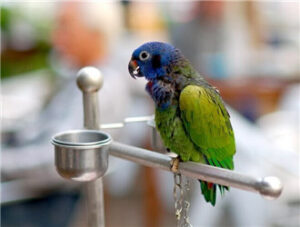
Blue-headed Parrot
The Blue-headed Parrot (Pionus menstruus) is a relatively small, slightly plump parrot with a short tail that can live up to 25 years with good care. It is one of the more commonly kept parrots of its genus, with three subspecies that differ mainly in the depth and spread of the blue coloration on the head.

What to Watch for When Raising Dogs in Spring
Spring's high humidity and active parasites raise the risk of skin disease, colds, and stomach upset in dogs. Keep the coat dry, warm the dog after baths, add vitamins during the shedding season, and deworm monthly (pups) or every 2-3 months (adults).

What Causes Cat Pneumonia — and How Is It Treated?
Cat pneumonia starts with lung or bronchial inflammation, often triggered by dirty air, low immunity, a foreign body, a cold, allergy, or another disease (parvo, panleukopenia, kidney/heart). Acute cases show sudden fever and breathing trouble; chronic shows lasting cough and low appetite. Treatment is culture-guided antibiotics plus cough relief and fluids, with prevention focused on a clean, dry environment.

Why Do Dog Vaccinations Sometimes Fail?
Vaccine failure in dogs has many causes — poor nutrition, high maternal antibodies, expired or low-quality vaccines, and stress after vaccination. This article analyzes why dog vaccinations fail and how to avoid it.