Search Results
2728 results for “coat color”

How to Get a Shinier, Healthier Dog Coat
A glossy coat starts on the plate: egg yolk and lecithin for sheen, cooked carrot for vitamins, seaweed powder to restore color, and fish-oil-rich food for omega-3 that softens skin and eases itch. Off the menu, brush daily, bathe sparingly, and keep deworming on schedule — those habits do more for the coat than any supplement alone.

How to Get a Cat’s Coat Soft and Full
A glossy, fluffy coat starts with protein-rich food (kibble over 30%, or cooked meat), lecithin from egg yolks or salmon, and frequent brushing to boost circulation. Use pet shampoo only and bathe sparingly—and remember coat volume is also genetic, so no supplement overrides bad breeding.
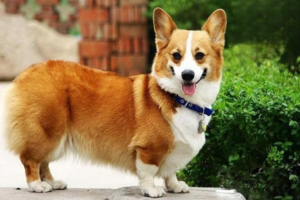
What Color Belgian Malinois Is Most Authentic?
The Belgian Malinois is valued worldwide as a working and family dog, with black the rarest and priciest color since it needs both parents to carry the black gene. When picking a pup, check the parents' health records, the puppy's conformation and coat, littermates, and vaccination history.
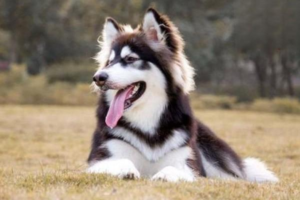
Tips for a Beautiful Coat for Cats and Dogs
Assuming our furry friends are healthy, coat beauty seems to be the topic owners care about most, especially long-haired cat and dog owners.

Dog Coat Care Tips for the Autumn Shedding Season
As summer turns to autumn, the cool, dry climate brings many dogs into shedding season, with coat easily drying and damaging. Owners worry about bald spots. Actually, shedding is a golden time for coat renewal; with proper care the coat becomes healthier and smoother.

Chinchilla Coat Care Tips
To keep a chinchilla's coat healthy, the owner must combine diet and daily care. Only with balanced nutrition can the fur get good nourishment, and regular grooming matters too. Here we learn chinchilla coat care.

Four Ways to Improve Your Dog’s Coat
A shiny, smooth coat reflects good health and good care. Brush daily, add seaweed powder or cooked egg yolk for nutrients, and allow safe sunbathing to boost natural luster and reduce skin problems.
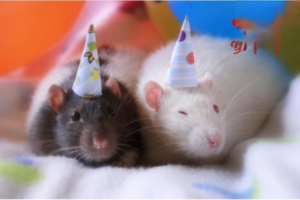
Hamster Coat Problems
Coat issues include color change (winter whitening in Campbell's/Dwarf types, fading silver rings), hair loss (seasonal, aging, or mites/fleas), and hairball risk in long-haired Syrians from grooming. Most need no grooming, but find the cause if problems appear.

How to Keep a Chinchilla’s Coat Glossy
A chinchilla's coat needs linoleic acid and the right dusting and diet to stay glossy. This guide covers seeds, dust baths, and protein-rich foods.

Signs of a Puppy Shedding Its Baby Coat
Puppies shed their baby coat from about 3 to 8 months; adults shed seasonally in spring and autumn. Help with frequent brushing, lecithin and fish oil, and good nutrition to avoid matting.