Search Results
2733 results for “coat color”

Chinchilla Mite Infection vs Fungal Infection: How to Tell Them Apart
Both mite and fungal infections cause hair loss and red skin, but mite hair falls in root-level patches with much dandruff and can be fatal, while fungal loss is sparser and not life-threatening short-term. Treat mites with alcohol wipes, mite lotion, medicated dust, and ivermectin if severe; keep the cage dry and clean to prevent both.

How to Help Your Dog Through Winter
Winter care centers on warmth: a cozy bed out of drafts, heating pads under a towel below 21 C, dog clothes if thin-coated, and high-calorie food. Keep air moving, shift walks to warmer hours, bathe only monthly indoors, and guard against heater burns.

What to Watch for When Raising Dogs in Spring
Spring's high humidity and active parasites raise the risk of skin disease, colds, and stomach upset in dogs. Keep the coat dry, warm the dog after baths, add vitamins during the shedding season, and deworm monthly (pups) or every 2-3 months (adults).

How to Feed Chinchilla Treats Safely
A chinchilla's staple is hay and pellets; treats are for bonding only. Pick low-fat, low-sugar, natural plant snacks (dried carrot, papaya, apple, rose petals, raw oats) and avoid roasted seeds, candy, and anything with preservatives or color. Keep treats under 3 g a day, skip them when the chinchilla is sick, and never give fresh high-water fruit that causes diarrhea.

Schnauzer Drawbacks and Care Tips
The Schnauzer is calm, brave, and independent, a good pick for busy dog lovers. But it has drawbacks like strong curiosity and a vengeful streak. Here are its flaws and how to care for one.

What to Do When a Dog Eats Everything — and How to Train ‘Leave It’
Dogs are trusting and will take food from strangers, so train refusal early. Have a helper offer food and correct with a leash tug and 'No' (repeat with different helpers), then teach 'leave it' on the ground by rewarding attention with a better treat. Greedy by nature, this training needs daily management and constant vigilance.
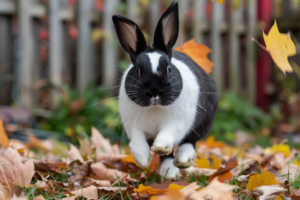
When Does a Rabbit Enter Old Age?
Rabbits live 5–12 years; most reach the senior stage after age 5 (small breeds like the Netherland Dwarf as early as 4). Seniors show weaker digestion, more sleep, slower movement, frequent soft stools, and white, matted fur. Care means a soft floor, senior food with unlimited hay, plenty of water, and companionship.

Common Pet Rabbit Breeds and How to Care for Them
Rabbits are cute and quiet, and many people love them. But which breed makes the best pet? Here are common pet rabbit breeds and how to care for them.

Tips to Help Your Dog Cool Down in Summer
Dogs have dense coats and suffer in heat, even risking heatstroke, so cool them in hot weather. This article shares tips to help a dog beat the heat.

How Long Is a Guinea Pig’s Estrus Cycle — and What Are the Signs?
Female guinea pigs cycle every 15–16 days for about 16–18 hours, mostly 5 PM to 5 AM; males have no fixed cycle and react to a female in heat. Signs include dropped appetite, urine-marking everywhere, mounting, cooing, and irritability. Year-round breeders can only be stopped by spaying, which is risky, so manage by learning the pattern.