Search Results
2733 results for “coat color”

Lop Rabbit Care Essentials
Lop rabbits make popular pets but need correct care. Buy a 2 to 3 month healthy one, feed pellets and hay as staples with small vegetable and fruit treats (none under 6 months), never meat or spicy food, and keep cats away to avoid toxoplasmosis. Litter-train early, walk at dusk on safe ground, keep 18 to 25°C, and groom, bathe monthly, and trim nails.
Preventing and Controlling Rabbit Colibacillosis
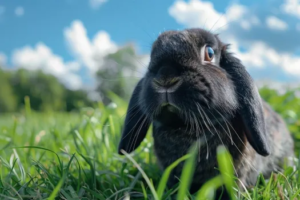
Rabbit colibacillosis (mucoid enteritis), caused by Escherichia coli, strikes weanling rabbits hardest with high death rates from watery, jelly-like diarrhea and dehydration. Prevention hinges on steady high-fiber feeding, clean dry housing, insect and rodent control, and feed-additive or vaccine prophylaxis.

How to Care for a Teddy (Poodle) and What to Watch
The Teddy (Poodle) is the smartest small dog — lively, gentle, loves interaction, and adapts fast, so it's a family favorite. But care needs attention or health issues arise. Here is how to keep one and the precautions.

Rabbit Viral Hemorrhagic Disease: Symptoms and Prevention
Rabbit viral hemorrhagic disease (RHD, or 'rabbit plague') is a highly contagious viral infection with up to 100% mortality and no specific cure. Control relies on the semi-annual RHD vaccine, strict hygiene, and disinfecting feed and water contaminated by sick rabbits.

Rabbit Louse Infestation: Signs and Treatment
Rabbit pediculosis is caused by the rabbit blood-sucking louse (Haemodipsus), spread by contact, that bites and itches the skin, causing restlessness, weight loss, and poor coats, worst in kits. Spot the lice and yellow eggs at the fur base; treat with ivermectin injection or coumaphos/trichlorfon/fenvalerate washes, and prevent by quarantine, cleaning, and routine deworming.
Caring for a Roborovski Hamster
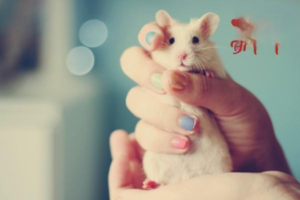
The Roborovski (or 'father' dwarf hamster) is tiny and timid, so it needs a warm acrylic cage, a calm adjustment period, and a varied but careful diet — avoid loquat, peach and spicy food. Watch for cheek-pouch inflammation and clean the scent gland regularly.

Rabbit Vitamin A Deficiency
Vitamin A keeps rabbit mucous membranes intact and vision sharp; deficiency, worst in winter and early spring, brings slow growth, weak coat, nerve signs, eye damage (conjunctivitis, keratitis, even ulceration), and in pregnant does premature birth or dead malformed kits. It stems from low-carotene feed, poor gut or liver absorption, or vitamin loss in storage. Diagnose by history, lesions, and plasma vitamin A below 0.2 to 0.3 mg/ml.
Preventing and Treating Yellow-Urine Disease in Baby Rabbits
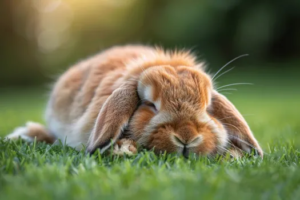
Yellow-urine disease is acute enteritis in nursing kits under 7 days old, caused by Staphylococcus toxins from a mother's mastitis passed through her milk; signs include yellow watery stools, weakness, and a fishy smell. Prevent it with a clean dry nest, managed milk flow in the doe, and early mastitis treatment, and treat affected kits with gentamicin drops.
Rabbit Hairball Disease: Causes and Treatment
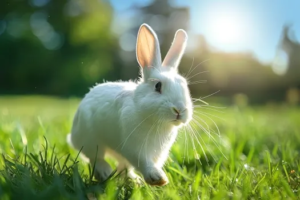
Hairball disease, common in long-haired rabbits, comes from swallowing too much fur and blocks the gut with constipation, bloating, and sometimes death. Causes range from cramped cages and poor diet to vitamin or mineral gaps and skin disease. Prevent it with full-ratio feed, isolation of fur-eaters, and regular grooming; treat with vegetable oil and enzyme tablets to pass the mass.

Classification of Domestic Rabbit Breeds
There are 60-plus rabbit breeds and 200-plus lines worldwide; China keeps about 20, mostly imported. Rabbits are grouped by use (meat, fur, wool/Angora, dual-purpose, lab, fancy), by coat (standard, long, short), and by size (large >5 kg, medium 3–4.5 kg, small 1.5–2.8 kg, mini 0.7–1.45 kg). Knowing the groups helps you pick the right stock.