Search Results
2733 results for “coat color”

Caring for Your Dog in Early Autumn
After summer's heat, autumn feels great and dogs play more—but the season change brings risks if you ease up. This guide covers chills, obesity, estrus, and the autumn coat blow.

How to Tell If Your Chinchilla Is Sick
Chinchillas are subtle when unwell, so early signs are easy to miss. This guide shows what to check—eyes, anus, droppings, coat, teeth—and lists common illnesses (cold, heatstroke, enteritis, dental) with symptoms.

Do Golden Retrievers Feel Cold? Winter Care Tips
Golden Retrievers have long coats and some cold resistance, but extreme cold still chills them and can cause colds. This guide covers six winter points—no clothes, less bathing, deworming, gut, exercise, nutrition.

Benefits and Precautions of Fish Oil for Cats
Fish oil rich in omega-3 supports a cat's skin, coat, immune system, and heart, but it must be dosed carefully and chosen well. This guide covers the benefits of supplementing fish oil and how to feed it safely without causing harm.

Why a Rabbit’s Foot Fur Turns Yellow and What to Do
Yellow fur on a rabbit's feet is usually urine staining, but it can also signal poor nutrition or a normal molt. Left uncleaned, urine corrodes the skin and causes sores — here's how to find the cause and fix it.

Benefits of Egg Yolk for Dogs
In moderation, egg yolk gives dogs a shinier coat, extra nutrition, brain support, and eye protection — but never raw, and never too much, or it can cause pancreatitis and obesity. Learn the benefits and the safe amounts.

How to Properly Care for a Persian Cat
Persian cats are sensitive to change — a swapped food bowl can make them refuse to eat. Here are the key points for feeding, grooming, and keeping a Persian cat healthy.

What Are the Dangers If a Cat Eats a Cockroach?
Cats may hunt cockroaches, but eating them risks parasite and bacterial infection, mouth and stomach irritation from the hard exoskeleton, and poisoning if the roach carried insecticide. Watch for vomiting, diarrhea, drooling, or seizures and see a vet if they appear.
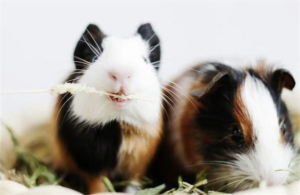
At What Age Can a Guinea Pig Give Birth, and How Many Per Litter
Guinea pigs can breed from about 3 months (around 500 g); a first birth after 7 months raises dystocia risk from pelvic fusion, so breed the first litter before 7 months. Litters are 1-7, born walking and eating within hours, gestation about 68 days, up to 5-6 litters a year. Keep the nest warm (at least 22 C), separate the male after birth, and stay quiet.

Is Chinchilla Soft Stool Normal, and How to Handle It
Normal chinchilla droppings are firm rice-grain pellets; soft stool is abnormal and can slide into severe diarrhea and enteritis if ignored. Mild cases need diet fixes (more hay, no snacks or oily food, probiotics); severe or watery stool needs a vet check, anti-diarrhea and sulfa drugs, deworming, or rehydration.