Search Results
2733 results for “coat color”

Pink White Chinchilla
The Pink White Chinchilla is a cross between a white chinchilla and a beige or golden chinchilla. Its pinkish-white fur and pink ears are very attractive. Without a close look, it is easily confused with the red-eyed white chinchilla.
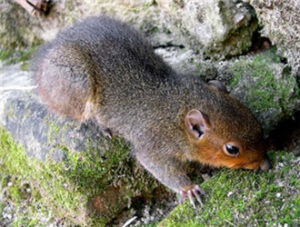
Dremomys pernyi
The Long-nosed Squirrel, also called the 'red-mouthed rat', has habits little different from ordinary squirrels, being active in the morning and at dusk. Captive Long-nosed Squirrels are often called 'little devils' because, small as they are, they are the most destructive at home.

Huangshan Squirrel
The Huangshan squirrel, as its name suggests, is a squirrel species native to Mount Huangshan in Anhui Province, China. It prefers wooded habitats and is agile, alert, and light on its feet. It is mainly distributed across Anhui, Zhejiang, and Hubei, among other regions.

Slow Loris
The Slow Loris (Loris tardigradus) is a small prosimian of the family Lorisidae and genus Loris. It is nocturnal, moves slowly, and prefers to rest atop tree branches. In recent years, due to habitat destruction, hunting for use in traditional medicine, overhunting, and its own biological traits, it is on the brink of extinction.

Roborovski Hamster
The Roborovski Hamster is actually an alias of the desert dwarf hamster. It is not only the smallest of all pet hamsters but also the fastest, and it is among the longest-lived, surviving about three to three and a half years.

How Long Do Hamsters Live and What Are the Signs of Dying
A hamster's average lifespan is about two years (Roborovski up to 3–3.5), shaped by breed, genetics, diet, housing, and health. Lifespan factors include solitary housing and prompt treatment of illness. Before death a hamster shows a hunched back, rapid weight loss, and severe hair loss — prepare yourself and care for them gently.

Common Causes of Hair Loss in Hamsters
Hamster hair loss has many causes beyond normal shedding: old age, low dietary protein, skin friction in the cage, seasonal molting, over-grooming, pregnancy, and hormonal imbalance (including male-pattern baldness from excess testosterone). Identifying the cause lets owners apply the right fix.

Can a Dog Recover from Heatstroke on Its Own
Mild heatstroke in dogs can sometimes resolve on its own if the dog is moved to a cool place and cooled promptly, but moderate to severe heatstroke rarely self-heals and can be fatal. Treatment ranges from fan cooling and oral rehydration to emergency cooling and immediate veterinary care, while prevention focuses on coat trimming, never leaving a dog in a car, and avoiding midday walks.

Signs of Aging in Hamsters and Common Senior Diseases
Hamsters begin aging around 15 months and show clear changes: a thinning coat, hunched back, leaner body, and less activity and appetite. Senior hamsters are prone to kidney failure, tumors, dental problems, cataracts, and constipation — conditions that are manageable but generally incurable, so attentive care is essential.

Signs Your Cat Is Overheating and What to Do
Cats are highly sensitive to heat and can quickly go from discomfort to heatstroke in hot weather. Key warning signs include sprawling belly-up on the floor, panting with the tongue out, drinking excessively, and losing appetite. Keep your cat cool by ensuring air circulation, thinning (not shaving) the coat, and providing plenty of fresh water.