Search Results
1419 results for “cats”

How to Reduce Shedding in a Ragdoll Cat
Ragdolls are long-haired and shed year-round, with a heavy blowout as kittens around three to four months. The fix is mostly daily grooming, a coat-friendly diet, and infrequent proper bathing — and a vet check if the coat suddenly thins.

Why Does My Cat Keep Tearing Up? Causes and What to Do
Constant tearing in cats is rarely about emotion — it usually points to dust, diet, infection, or breed anatomy. Flat-faced cats are built to tear more, and most cases respond to gentle cleaning, but persistent redness or discharge means a vet visit.

Why Is My Cat’s Eye Tearing Up? Causes and Care
Watery eyes in cats usually point to irritation, infection, or feline herpesvirus rather than simple sadness, and the discharge is often the first sign owners notice. Most cases improve with gentle at-home care and good hygiene, but persistent tearing deserves a veterinary check.

What to Do When Your Cat Collapses from Diarrhea and Dehydration
Diarrhea can drain a cat's body of both fluid and essential electrolytes faster than most owners expect, and severe dehydration can spiral into shock. Knowing how to rehydrate at home and when the situation is an emergency is the difference between a quick recovery and a life-threatening crisis.

Cat Sneezing and Has Diarrhea but Acts Normal
A cat that sneezes and has loose stools yet stays lively likely has a mild cause — nasal irritation, a light cold, or a foreign object — rather than something severe. Remove allergens, keep it warm, and don't wait to see a vet if it doesn't improve, especially before three months of age.

Why Does My Cat Keep Sneezing?
Sneezing is the nose's reflex to irritation. If your cat sneezes constantly, work through the likely causes — pollen, strong scents or dust, a nasal foreign body, or a respiratory infection — and see a vet if the everyday causes are ruled out.

How to Treat a Sneezing, Congested Cat
A cat that only sneezes usually needs no medication, but added symptoms change the picture. Allergies, a chill, viral rhinotracheitis, or a nasal foreign body each call for a different fix — and persistent sneezing with discharge means a vet visit.

Why Is My Cat Sneezing?
Sneezing and a runny nose are easy to dismiss, but they deserve a closer look. The usual triggers are dust or litter dust (allergy), a chill or cold, or — when discharge turns thick and the cat runs a fever — feline rhinotracheitis, which needs prompt veterinary care.
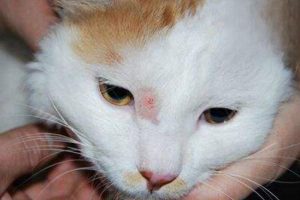
How to Tell If Your Cat Has Ringworm
Ringworm shows up as patchy hair loss with red, irritated skin and itching. Start by checking the ears, since that damp area is a favorite spot, and watch whether the bare patches keep spreading — expanding lesions mean it is time for a vet visit.
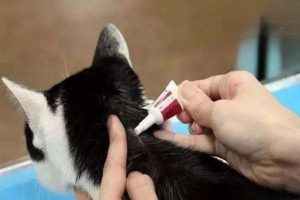
How to Tell If Your Cat Needs Deworming
Most internal parasites are invisible to the naked eye until an infestation is advanced, so routine deworming matters more than waiting for symptoms. Kittens need monthly protection and healthy adults every three months; a vet can confirm parasites from a stool sample under the microscope.