Search Results
1419 results for “cats”

How to Treat a Cat’s Fungal Skin Infection
Cats get fungal skin infections when their skin barrier is weak, from warm indoor air, play wounds, contact with infected cats, or low immunity. Treatment means clipping and medicating the spot, stopping licking, and boosting nutrition until it clears.

What to Do When Your Dog Has Blood in Its Stool
Blood in a dog's stool can come from something mild like a sudden food change, or from serious issues like gastroenteritis, an intestinal tear, or infections such as parvovirus. Match the cause to the right response, and see a vet whenever the bleeding is severe or unexplained.

What to Do If a Newborn Kitten Gets Ringworm
Newborn kittens catch ringworm easily because their immune systems are still weak. The response is the same as for any cat: isolate, treat the spots gently, boost nutrition, and keep the environment clean, but with extra care given their tiny size.
How Long Does Ringworm Take to Heal in a Kitten
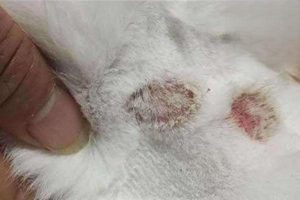
Ringworm is a fungal, contagious skin infection that shows up most often in underweight or weak kittens. With isolation, medicated care, and good nutrition, mild cases typically clear in a few weeks, but treatment must continue until the infection is fully gone.

How to Treat a Kitten That Gasps Like It’s Having an Asthma Attack
A kitten that gasps like it's wheezing usually has feline asthma — chronic bronchitis or bronchial asthma, mostly allergic. Triggers include dust, pollen, and irritating food or gut blockage. Mild cases need calm, slow water, and probiotics; allergic attacks need vet-prescribed cough and phlegm relief, plus reduced dust and a healthy weight.
What Those Hard Lumps on a Kitten’s Head Mean
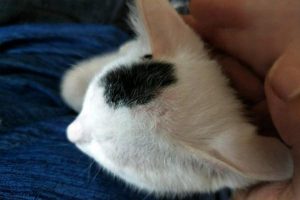
A hard, painless white lump on a kitten's head that neither grows nor fades is often a sign of ringworm. Ringworm comes from contact with fungi like Microsporum canis or Trichophyton, thriving in damp, dirty places. It causes scaly spots and hair loss, is contagious to people, and needs vet care plus topical antifungal ointment and good hygiene.
What to Do When a Kitten Has Ringworm
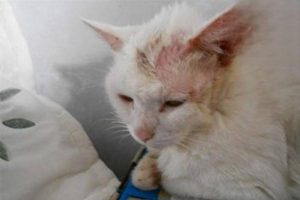
Ringworm is a fungal, contagious skin disease that can pass between cats and people, so isolate and disinfect at once. It shows as circular scaly patches and hair loss on the body, head, legs, and tail, with relentless itching. Treatment is shaving, topical medication, an Elizabethan collar, and a clean, well-ventilated environment plus good nutrition.
How to Make Ringworm (Cat Fungus) Heal Faster
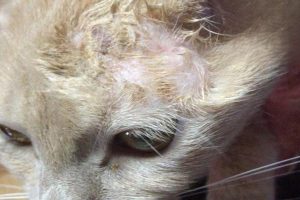
Cat ringworm is a common fungal skin disease, usually from poor grooming and a dirty environment, causing intense itching and patchy hair loss. Treatment combines shaving and medicated baths with topical antifungals and oral medication for faster recovery. Prevention hinges on cleanliness, sunlight, good nutrition, and not over-bathing.

Is Your Cat’s Hoarse Voice a Sign of Illness?
A suddenly hoarse meow can be harmless — some cats fake it for attention — but it can also mean stress-induced inflammation, a seasonal cold, or a throat foreign object. Watch for other signs: if the cat eats and rests normally, it often recovers in about a week; fever, sneezing, or gagging means a vet visit.

What to Do When Your Cat’s Eye Is Inflamed
An inflamed cat eye brings constant tearing, swelling, redness, and more discharge. Wipe gently with a warm cotton ball and use a cat-specific eye drop for mild cases, but never human drops. If discharge seals the eye shut or an injury is suspected, see a vet — and keep the cat out of bright light.