Search Results
1419 results for “cats”

How to Recognize Ear Mites in Your Cat
Ear mites spread easily between cats and dogs through close contact and are most common in kittens. Look for dark, crumbly ear discharge, head shaking, and scratching around the ears and neck — and isolate an affected cat to protect the rest of the household.

How to Bathe and Deworm Your Cat
Regular deworming protects both your cat and your home. Plan on an internal dewormer every three months and an external one every month, and always bathe your cat before applying a topical product so the treatment can work.

How to Treat Cat Gastroenteritis
Gastroenteritis is common in cats—their digestion handles grains and sharp bones poorly, and spoiled food can trigger acute gastritis. Signs are vomiting, diarrhea, lethargy, appetite loss and dehydration. Withhold food briefly for mild cases, but persistent symptoms, especially in kittens, need a vet.

When Should a Kitten Be Dewormed?
Kittens can be dewormed from about 2–3 months of age; internal and external deworming are separate steps. Always dose by weight and age—too much harms the cat, too little does nothing. Weak kittens should wait until 4 months, and pregnant cats only after the kittens are weaned.

Can an Indoor Cat Still Get Fleas?
Yes—fleas can reach an indoor cat through a contaminated home or other animals, and owners can carry flea eggs in on shoes and clothes. Prevent with regular deworming and a clean environment; treat infestations with a medicated bath plus thorough home cleaning.
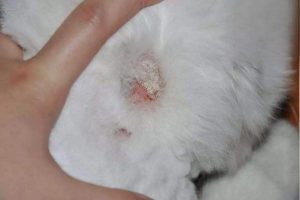
How to Spot Ringworm on a Ragdoll Cat
Ragdolls get ringworm like any cat, usually from a home with fungal spores or contact with an infected cat. Watch for relentless scratching, biting at the tail, hair loss, scabs and small red bumps. Treatment runs five to six weeks and needs consistency.

Cat Vomiting Yellow Fluid Several Times a Day: What to Do
Vomiting yellow fluid multiple times a day is not normal and can stem from parasites, infection, empty-stomach acid, gut disease or something eaten. Hair in the vomit points to a hairball. Frequent vomiting dehydrates fast, so identify the cause and get veterinary help if it persists.
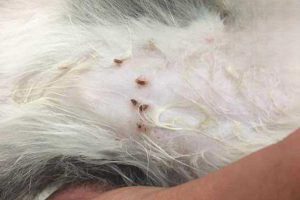
What to Do About Black Bugs on Your Cat
The small black bugs crawling through a cat's coat are usually fleas. A heavy flea burden causes anemia, spreads internal parasites and triggers allergic skin disease, so treat the cat and its home together. Regular topical prevention keeps fleas and other external parasites away.

What to Use for a Cat’s Skin Infection
Most cat skin problems are fungal, thriving in contaminated environments and among cats with weaker immunity. Treatment means disinfecting the home, stopping the cat from licking sores, and applying antifungal ointment and spray to clipped, cleaned patches. A medicated shampoo supports bathing during recovery.

What to Do When Your Cat Has Watery Diarrhea
Watery diarrhea in cats can signal anything from routine enteritis to serious feline panleukopenia, and the right treatment depends on the underlying cause. Bloody stool, vomiting, fever or weakness means urgent veterinary care. Supportive care at home helps only once the cause is identified.