Search Results
1419 results for “cats”

Why Is My Cat Shivering on and Off?
Intermittent shivering is not normal and usually means your cat is cold, unwell, or dealing with something more serious. A cold is the common cause, but lingering tremors can signal nutrient gaps or a neurological problem. Persistent or unexplained shaking should be checked by a vet.

What to Do When Your Cat Catches a Chill
Cats catch colds easily from baths, seasonal shifts and temperature swings. Treat early to prevent the illness from deepening into something worse. Symptomatic care plus warmth, hydration and good nutrition usually gets a mild case back on track.

Why Is My Cat’s Belly Making Noise?
Gurgling or rumbling from a cat's stomach is usually normal gut motility, but frequent or loud noise can signal digestive trouble. It often precedes diarrhea and may point to a chill, stress, diet change, parasites or unbalanced gut flora. Watch for accompanying signs and adjust diet or seek care as needed.

Cat Has Had Yellow Nasal Discharge for Six Months
Persistent yellow nasal discharge in cats usually points to a chronic upper-respiratory infection such as feline viral rhinotracheitis, or less commonly pneumonia. When the symptom has lasted six months, the condition is well established and needs a proper veterinary work-up rather than guesswork. Supportive home care can ease discomfort, but lasting or recurring discharge warrants diagnostic testing.
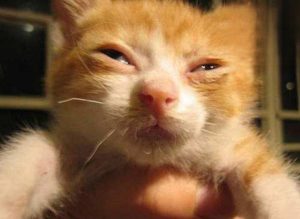
What to Do When Your Cat Sneezes Blood
Blood in a cat's sneeze points to parasites or feline rhinotracheitis (cat flu) — both need a vet check. Deworm for parasites; for rhinotracheitis, treat the virus with eye drops and vet-prescribed medication plus immune support.

Is It Normal for a Cat to Snore?
A cat's snore isn't always normal — it often means a respiratory problem like an infection or pneumonia. Match it to the cause: a stuffy nose from a cold, or serious pneumonia; only lifelong snoring with no symptoms is benign.
My cat was fine at noon but suddenly started vomiting white foam in the afternoon — what’s going on?
White foam vomiting is usually from poor diet or eating the wrong food — bones, raw meat, pits, milk, or spicy foods irritate the stomach and trigger foaming or diarrhea. Withhold food for a day, then resume; if it keeps down kibble, the cat is better. If vomiting continues, an anti-nausea medication plus probiotics can settle the gut. Also check the vomit for hair — hairballs can cause foaming too.
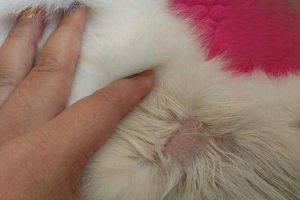
What Ointment to Use for Cat Skin Disease
Cat skin disease comes in four types — bacterial, fungal, allergic, parasitic — with fungal and parasitic the most common. Clip the fur, apply an antifungal spray and ointment for 4–6 weeks, add vitamin B, and bathe only with a gentle shampoo.

What to Do When Your Cat Catches a Seasonal Cold
Cats catch colds easily at seasonal changes — sneezing, runny nose, cough, and fever are the giveaways. Keep the cat warm, use a vet-formulated remedy (with a cough add-on if needed), and only reach for fever medicine above 39.5°C (103°F).

How Much Does It Cost to Keep a Cat Each Month? (Owners Say: Not Much)
Counter to the myth that cats are pricey, owners and a vet agree a healthy cat costs little — roughly $15–45 a month for food, litter, and basics. The real budget-breaker is illness, which can hit $140 or more in a single visit.