Search Results
435 results for “cat neuter”

Feeding Your Cat at Every Life Stage
A cat's diet must shift as it grows, from milk-softened kitten food through high-protein junior meals to fixed adult portions and easy senior diets. Special phases like neutering, pregnancy, and recovery have their own needs. This guide maps food, toppers, and supplements to each age so your cat gets the right nutrition.
What New Cat Owners Should Know
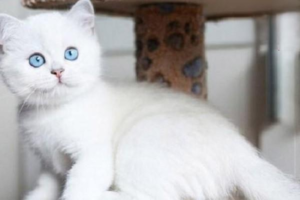
Bringing a cat home is joy and responsibility, so prepare mentally as well as materially. Night activity, shedding, scratches, and curiosity are all part of cat life. This guide covers the realistic expectations, the gear to buy, and the steps after adoption: quarantine windows, vaccines, warmth, and the right time to neuter.

Why Cats Get Black Chin (Feline Acne)
Those odd black specks or bumps on a cat's chin are feline acne, a bacterial folliculitis, not just dirt. Greasy food, hormone shifts, and especially plastic bowls that harbor bacteria all play a role. The good news is it is easy to manage with better bowls, gentle cleaning, and, for serious cases, antibiotic ointment.

Feeding Your Cat the Scientific Way
Commercial cat foods are formulated to strict nutrition and safety standards, so a quality kibble matched to your cat's life stage is the simplest healthy staple. Human foods like rice, salt, and plain boiled chicken are poor or even harmful substitutes. This guide covers choosing food, using wet food wisely, and the free-feeding approach that suits a cat's graze-and-nibble nature.

What to Know Before and After Spaying or Neutering Your Pet
Spay and neuter surgery is routine but still deserves careful preparation. Picking a trusted clinic, fasting beforehand, and running pre-op tests keep anesthesia safe, while post-op care around wounds, food, and an Elizabethan collar protects a smooth recovery. This guide walks owners through the whole journey, from booking to stitch removal.

Why Pets Gain Weight After Spaying or Neutering
An intact cat's base metabolic rate is about 30 percent higher than a neutered cat's, so the same food leads to faster weight gain after the procedure. Obesity raises the risk of heart disease, diabetes, high blood pressure, arthritis, fatty liver, and more. The fix is diet and exercise: feed timed, smaller, high-protein low-fat meals, drop the treats, and keep moving, with low-impact activity like swimming for joint-prone breeds.

Essential Tips for Cat Owners
Before adopting, match a cat to your time and life; consider a companion if you're often away, check for allergies, and spay or neuter. Boxes beat fancy toys, scoop the litter often, add vertical scratchers, and build grooming habits young. Feed balanced quality food to avoid disease and deficiency.

When Do Cats Knead (and What Does It Mean)?
Cats usually knead in a few clear situations: when hungry, when happy and relaxed, during heat, or when missing their mother. The behavior starts in kittenhood—pawing the mother's belly to stimulate milk—so a hungry cat may knead to ask for food, while a content cat kneads to show trust. During heat, kneading is self-soothing and shouldn't be interrupted. When your cat kneads you, it feels safe and fond of you, so don't push it away. This article explains the triggers and how to respond.

Should a College Student Get a Cat?
Loving animals is wonderful, but getting a cat is a lifetime promise, not a passing impulse. Before a student adopts, four questions matter: does the dorm even allow it, and will roommates and anyone with cat allergies cope? Do you truly love the whole cat — mess, illness, and all — not just the cute photos? Can you give real time and steady money for food, litter, deworming, vaccines, neutering, and vet bills? And who will care for the cat over holidays and after graduation, when a wave of abandonments happens every year? Think it through first.
What Is Stud Tail in Cats?
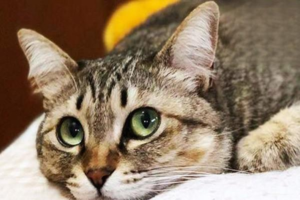
Stud tail is an overactive sebaceous gland at the base of the tail that pumps out too much oil, leaving a greasy, waxy buildup on the tail and the back of the hindquarters. Many cats feel nothing from it, but if bacteria, fungus, or yeast move in, it itches and can inflame. It is common in unneutered tomcats and breeds like Himalayans, Persians, Siamese, and Rexes. Mild cases clear with a benzoyl-peroxide shampoo; severe ones may need surgery. Neutering lowers the risk, and regular brushing helps.