Search Results
435 results for “cat neuter”

Will Hitting a Cat Stop It From Peeing on the Bed?
Many cats develop a habit of urinating on the bed, and the strong odor of cat urine makes the smell linger even after cleaning, causing real frustration for owners. Some pet parents believe a quick swat will teach a lesson, but punishment rarely works. Most cats that are hit will hold a grudge and may urinate on the bed even more, or act out with scratching, sofa damage, or nighttime attacks. In truth, bed-wetting usually signals an underlying issue—heat cycles, stress, or a urinary or reproductive disease—not defiance. The right approach is to rule out medical problems, consider spaying or neutering, check the litter box, clean accidents thoroughly, and reward correct toileting. Guidance, care, and positive reinforcement, rather than punishment, are what truly resolve the behavior.

Why Has My Cat’s Personality Changed?
A sudden change in a cat's temperament can come from heat, neutering, strong pain, illness, a teenage 'rebellious' phase, or psychological stress. A cat in heat grows restless and may spray, then settles after; neutering usually makes it calmer and lowers reproductive-disease risk. Pain makes a cat reject touch and lash out, so see a veterinarian if it guards a body part. New pets, punishment, or loneliness can also trigger fear or retaliation, and sensitive cats can develop anxiety or depression without enough companionship.

What Kinds of Cats Are the Most Affectionate
Cats have a reputation for being aloof, so when one chooses to cuddle and beg for attention it feels like a real win. Affection shows up as following you room to room, jumping on your laptop, sleeping in your bed, sitting on your lap, meowing or pawing for notice, and rubbing its face on you. Male cats tend to be cuddlier than females because they act on instinct and, after neutering, pour that need for contact onto their owner. Breeds like American Shorthair, Ragdoll, Maine Coon, and Siamese lean affectionate. Build trust by meeting the cat's needs and respecting its space, but beware over-dependence: too much clinginess can become separation anxiety, a real stress disorder worth managing.
Does a Folded Tail Affect a Cat Much?
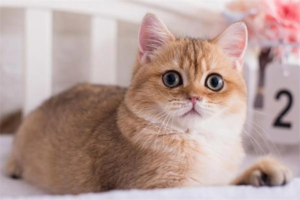
A folded (kinked) tail doesn't stop a cat from living normally, but it signals a genetic weakness—common in Siamese cats—that can mean a weaker constitution, poorer balance, and a shorter life. With careful care these cats live well and stay healthy, but because the trait is inherited and can pass on a frailer build, breeding folded-tail cats is generally discouraged. The tail is a balance organ, so affected cats are less steady jumpers. Tell a folded tail apart from a short tail: Japanese, American, and British Shorthairs are short-tailed by breed, not defect, and can breed normally. Support a folded-tail cat with good nutrition and warmth.

When Do Ragdoll Cats Develop Cheek Jowls?
Ragdoll cats usually start developing cheek jowls at 6–8 months, though genetics set the exact timing and some begin earlier or later. Only males develop true jowls; it depends on inherited genes from the parents. Diet, exercise, and neutering also shape the result. To support healthy jowl development, feed plenty of protein, vitamins, and minerals, offer chewy or raw-meaty-bone snacks to build jaw muscles, keep the cat active, and time neutering until after the face fills out. Remember, not every Ragdoll will jowl—genes decide. If you have concerns, consult a veterinarian.

Why Cats Yowl in Spring (Heat) and What to Do
Spring brings the feline mating season and the sleepless yowling that comes with it. For cats not meant for breeding, spaying or neutering is the permanent fix - it ends the distress and lowers reproductive-disease risk for both sexes. If breeding is planned, wait until the female is 10-12 months and the male over a year, and isolate them from the opposite sex before then. Distract with play, gentle music or favorite food, and never use the dangerous 'cotton-swab method' or unproven 'heat-stopping powder'. This article covers heat timing, signs and precautions.
Why Your Spayed Cat Still Yowls
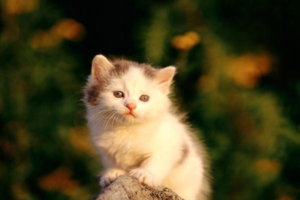
Spaying does not guarantee a quiet cat. Many owners are surprised when a neutered female still yowls at night or demands attention for no obvious reason. The cause is rarely the surgery itself and more often a mix of breed temperament, habit, unmet needs, or an underlying health issue such as an overactive thyroid. Here is how to read the behavior and what to do about it.

What to Do When Your Cat Is Overweight
Many owners find chubby cats adorable, but one extra pound on a cat equals roughly a dozen on a human, and obesity brings real health costs. Cats get fat for clear reasons: modern diets high in starch and energy, free-feeding habits, and neutering that slows metabolism. The dangers include inflammation, heart and lung strain, joint problems and diabetes - even a shorter life. The key to weight loss is not exercise but diet: keep protein high while cutting calories, feed measured timed meals, and stay consistent. Do your homework before putting your cat on a diet.

How to Safely Break Up a Cat Fight?
Cats that live together may occasionally scuffle, but frequent or violent fights need intervention. The key is to protect yourself first—never use your hands—then redirect their attention or separate them, and address the root causes with fair resources and gradual reintroduction.

How to Tell if Your Cat Is Overweight
Cats prefer protein, then fat, then carbs, and self-regulate when fed naturally, yet easy modern food and too little exercise make them fat, just like us. You can judge by feel and sight, and trim weight with smaller frequent meals, no treats, and play. This guide explains the body-score check and a safe plan.