Search Results
435 results for “cat neuter”

Why Male Cats Lose Weight After Going Into Heat
Intact male cats often drop weight during mating season because rising sex hormones suppress appetite, anxiety burns energy, and constant restlessness drains calories faster than they eat. The reliable fix is neutering, which ends the cycle and lowers the risk of reproductive disease. If you're not breeding him, keep him active and offer tempting, palatable food to maintain condition.

Why Do Mixed-Breed Cats Run Away from Home?
Mixed-breed cats may wander off for many reasons: a love of freedom, strong curiosity, mating urges when in heat, feeling neglected, household changes, getting lost, or illness near the end of life. A safe, loving home and neutering greatly reduce the risk.
When is a male cat’s heat cycle?
Male cats first heat between six months and one year, triggered by females, with spraying and restlessness. Neutering early prevents spraying and reproductive disease.

How Long Do Scottish Fold Cats Live?
Scottish Fold cats typically live 10–15 years—shorter than many breeds—because they are born with osteochondrodysplasia, an inherited cartilage and bone disorder that causes pain in the tail, ankles, and knees and can appear as early as 2–6 months. Their weaker constitution also makes them prone to skin disease, respiratory illness, and heart problems, so regular vet checks, weight control, and joint-support supplements help extend their lifespan.

Common Bad Habits in Cats and How to Fix Them
Common cat bad habits include biting, picky eating, and disturbing the owner's sleep. Many of these habits form because of the owner's own behavior — playing with hands or giving snacks without limit. Learning the right way to raise a cat is the best way to prevent them.

Can Cat AIDS Be Transmitted to Humans?
Feline AIDS is caused by the feline immunodeficiency virus (FIV), which, like HIV in people, damages a cat's immune system. The reassuring answer is that cat AIDS does not spread to humans; there is no solid evidence of FIV passing between people. Still, the virus is highly contagious among cats, so protect your own cat by keeping it healthy with regular checkups, good hygiene for bowls, and avoiding contact with stray or wild cats. An infected cat carries a high viral load in its saliva and can pass FIV through bites or mutual grooming, and a mother can pass it to her kittens. Among cats, isolate any FIV-positive cat, have it neutered, and limit contact with other pets; test new cats before bringing them home and vaccinate after two months. FIV cannot be cured and is managed supportively, often with no treatment if the cat shows no symptoms beyond indoor isolation, checkups, and quality food, while symptomatic cats get targeted care such as antibiotics, steroids, antivirals, or interferon. With isolation and good care, an FIV cat can live long.
100 Essential Tips Every New Cat Owner Should Know
Bringing home a first kitten is exciting but daunting, and poor care can hurt both of you. These 100 essentials cover diet (life-stage food, toxic grapes/chocolate/onion/garlic, no bones or raw meat, fresh water), daily care (brushing, nail and ear cleaning, litter hygiene, n+1 boxes), health (vaccines at 8–12 weeks, deworming, normal temperature 38–39.2°C, spay/neuter, no human meds), behavior (slow blinks, tail talk, no punishment), and home safety (screens, hiding wires, toxic plants, no smoke). Read them once and you'll share a calmer, healthier life with your cat.

Why Do Cats Meow So Much?
Some cats are quiet while others meow constantly, and much of it comes down to personality plus circumstance. Hunger is a top reason: a sharp, persistent cry asks for food, so check the bowl and top up if needed. Lonely, attachment-seeking cats vocalize when left alone too long, asking for attention, play, or a cuddle, and a clingy cat may benefit from a companion and more toys. Pain or discomfort also shows up as meowing, especially with low energy, so check the body and visit a vet if something seems wrong. The mating season is another big trigger: unspayed cats call loudly to attract mates and may act out or soil the house, so neutering curbs these behaviors, cuts reproductive-disease risk, and even lengthens life. By learning what each cry means, owners can meet their cat's needs and keep it content.
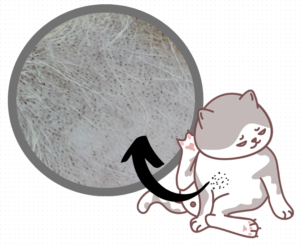
What Are the Black Dots on My Cat’s Skin?
Those little black specks on your cat's chin, tail, or belly are usually the early sign of folliculitis—clogged, infected hair follicles that look like human blackheads. It is common, mild, and very treatable with gentle local cleaning, a lighter diet, and a few daily-habit tweaks. Here is how to recognize it and clear it up.

Why Has My Cat Become Inactive?
A sudden drop in a cat's activity can mean many things: illness, a change of environment, aging, a naturally calm personality, or simple boredom. A busy owner who rarely plays with the cat can leave it bored, inactive, even depressed—so give plenty of companionship and affection. But illness, a move, or old age can also be the cause, and you should judge by the situation. If low energy comes with vomiting, diarrhea, or lost appetite, see a vet; if it follows a move, give time and a safe space; if the cat is elderly or just naturally quiet, that may be normal. Watch your cat closely and respond with the right care.