Search Results
435 results for “cat neuter”

Cutaneous Mast Cell Tumors in Dogs and Cats
Cutaneous mast cell tumors can appear anywhere on the skin or internal organs, most often on the hind legs, perineum, and prepuce. They vary from slow soft lumps to fast hard nodules and may ulcerate. Surgical removal of well-defined tumors is the main treatment.

Penile and Preputial Tumors in Dogs and Cats
Tumors of the penis and prepuce are uncommon and, when reported, have been seen only in dogs. Types include papilloma, transmissible venereal tumor, squamous cell carcinoma, fibroma, lymphosarcoma, and hemangioma. Growths may ulcerate, bleed, and produce a foul discharge.

Transmissible Venereal Tumors in Dogs and Cats
Transmissible venereal tumor is a contagious cancer spread between dogs through mating or close contact, destroying the external genitals and nearby mucosa. It appears as a friable, cauliflower-like mass that may bleed and ulcerate. Surgery, freezing, or anti-cancer medication can clear it.

Prostatic Tumors in Dogs and Cats
Prostatic tumors occur mainly in middle-aged and older dogs and mimic benign prostatic conditions. Adenocarcinoma is the most serious type and can spread to local lymph nodes, spine, and pelvis. Signs include weight loss, thirst, back pain, and difficulty urinating.

Sertoli Cell Tumors in Dogs and Cats
Sertoli cell tumors are hormone-producing testicular tumors of older male dogs and cats that cause feminization through excess estrogen. Signs include symmetrical hair loss, enlarged breasts, and a lengthened prepuce. Surgical removal of both testicles resolves most signs within a few months.

Testicular Tumors in Dogs and Cats
Testicular tumors are among the more common tumors in older dogs and are rare in cats. They often cause feminization from excess estrogen, including attraction from other males and symmetrical hair loss. Surgical removal of the affected testicle is the standard treatment, and neutering prevents the disease.

Stud Tail in Cats: Symptoms, Treatment, and Prevention
Stud tail is a hormone-driven acne of the tail base in intact male cats, caused by overactive scent and sebaceous glands. It produces blackheads and can progress to infection, and is best managed by neutering and skin care.
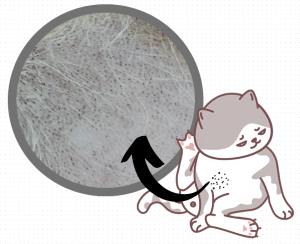
Black Dots on Your Cat’s Skin: Folliculitis, or ‘Black Chin’ and ‘Stud Tail’
Black dots on a cat's skin are usually the early sign of folliculitis, like blackheads, driven by excess sebum, blocked follicles, and bacterial infection. On the chin it is called black chin, and on the tail stud tail or oily tail, both managed with gentle localized cleaning and diet adjustments.

Obesity in Dogs and Cats
Obesity is an excess of body fat that develops when energy intake consistently exceeds expenditure. It is common in pets fed too much, exercised too little, or affected by endocrine disease, and it predisposes to heart disease, diabetes and a shorter life.

Prostatic Cysts and Prostatitis in Dogs and Cats
Prostatic cysts form on a background of congenital prostatic malformation and benign enlargement, and become prostatitis when infected, usually secondary to urinary tract infection. Signs include increased ejaculate, deteriorating semen quality, fever above 40 C, and pain; antibiotics and surgery are the main treatments.