Search Results
749 results for “cat diarrhea symptoms”

Symptoms of Gastroenteritis in Rabbits
Gastroenteritis hits rabbits of any age but kills many kits; catch it early or it's often fatal, so prevention beats treatment. Signs are foul, watery diarrhea with mucus, blood, and undigested feed, a soiled rear, a fever that then crashes below normal, and later lethargy, dehydration, and sunken eyes. Prevent with strict diet and hygiene; treat with antibiotics, anti-diarrheals, and fluid therapy.
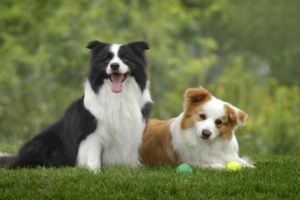
How Dogs Catch Canine Distemper
Canine distemper takes hold when a dog with low immunity meets the distemper virus — after a 1–2 week incubation, the virus flares and causes diarrhea, coughing, sneezing, and vomiting. Common triggers are cow's-milk diarrhea, spoiled meat, incomplete or failed vaccination, chills, early walks, stress, and skipped deworming. The single best defense is a full vaccine course (the six-in-one core shot) starting around two months of age.

Acute Pancreatitis in Cats and Dogs
Acute pancreatitis is self-digestion of the pancreas by its own enzymes, striking dogs far more often than cats and showing as sudden belly pain, shock, and peritonitis. Triggers range from bile-duct blockage and fatty meals to infections and certain drugs; treatment focuses on shutting down pancreatic secretion, controlling infection and pain, and correcting fluids — and the hemorrhagic form carries a guarded prognosis.
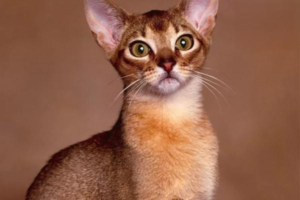
Why Older Cats Are Prone to Hyperthyroidism
Hyperthyroidism is the most common endocrine disease in cats, especially those over 8, caused by an overactive thyroid flooding the body with hormone and stressing every organ. Look for weight loss with a ravenous or fading appetite, restlessness, a fast heart rate, and more; it's very treatable with medication, surgery, radioiodine, or an iodine-restricted diet, and early care brings a good outlook.

How Dangerous Is Urinary Blockage in Male Cats?
Urinary blockage is one of the most common — and most recurring — emergencies in male cats, and if untreated it damages the kidneys and can kill. Watch for frequent, strained, bloody, or absent urination, and prevent it with water, the right diet, low stress, and exercise.

Symptoms of Feline Enteritis and What to Feed
Cat enteritis brings diarrhea and sometimes vomiting or incontinence; stop feeding if vomiting to avoid worsening it. Treatment is short fasting, then anti-inflammatories, antiemetics, and rehydration, with low-fat, easily digested food such as a gut prescription diet once eating resumes.

Symptoms and Prevention of Coccidiosis in Cats
Feline coccidiosis causes soft stools, diarrhea, and jelly-like mucus or blood in the feces, hitting kittens with weak immunity hardest. The parasite lives in the small intestine and can cause hemorrhagic enteritis. Catch it with a fecal exam and treat with sulfonamides plus fluids; prevent it through regular deworming, avoiding contaminated soil, and isolating infected cats.

What to Do When a Dog Eats Bad Food and Gets Diarrhea
Many dogs are greedy; if the owner is not careful, the dog will eat random things and accidentally eat bad food. Generally, causes of a dog eating bad food include unclean diet, irregular diet, or overeating and indigestion, and in severe cases enteritis. The owner should first see which cause triggered the diarrhea, then take corresponding measures.

Symptoms and Treatment of Mushroom Poisoning in Dogs
Dog mushroom poisoning occurs from ingesting toxic mushrooms. But not all mushrooms are poisonous. Each toxic mushroom causes different symptoms. Poisonous mushrooms are divided into four major categories by clinical symptoms, or seven categories by the toxins they contain. Onset of symptoms can occur minutes to hours after ingestion and can affect any part of the body.
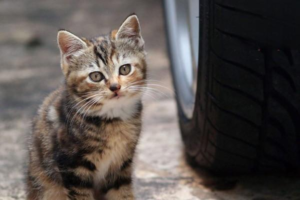
Symptoms and Causes of Cat Poisoning
Curiosity really can kill the cat. Cats always like to explore their surroundings, using their natural instincts to explore and hone hunting skills. Unfortunately, a cat's curiosity can easily get it into trouble, and a slight misstep may lead to poisoning.