Search Results
749 results for “cat diarrhea symptoms”

Treating E. coli Infection in Dogs and Cats
Colibacillosis is an acute intestinal infection of young dogs and cats caused by pathogenic E. coli, marked by fever, vomiting, and foul-smelling diarrhea that can turn fatal. It mimics many other diseases (distemper, parvovirus, salmonellosis), so a lab test is needed for diagnosis; treatment is antibiotics chosen by sensitivity testing plus strict hygiene and early colostrum.
Best Ways to Treat Diarrhea in a Budgerigar
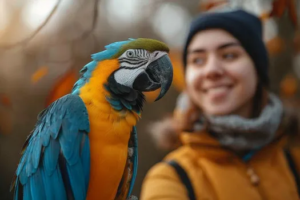
Diarrhea in budgerigars shows as watery, discolored droppings, a soiled vent, lethargy, and extra drinking — and can be fatal if ignored. Start with garlic water and warmth for a day or two, move to oxytetracycline if there's no improvement, and suspect chlamydia (psittacosis) when eye and nose discharge appear.
Does a Cat Need to Fast Before a Checkup? Pre-Exam Tips
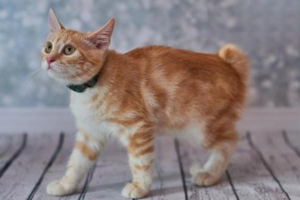
Cats should be checked at least yearly, with tests matched to age — and a little prep improves accuracy. Keep life calm for a week before, fast only if blood glucose or bile-acid tests are planned, and bring a note of any changes (drinking, weight, vomiting, litter habits) to discuss with the vet.

Rabbit Diarrhea Caused by Poor Daily Management
Many cases of rabbit diarrhea trace back to everyday husbandry mistakes rather than infection: too much concentrated feed, sudden diet changes, toxic or moldy feed, temperature swings, antibiotic overuse, and overfeeding weak kits. Matching the symptom pattern to the cause helps you fix it fast.

What Is Canine Distemper and What Are Its Symptoms?
Canine distemper is a highly contagious viral disease with an 80%+ death rate, especially in puppies. It starts like a cold with a double-peaked fever, then brings respiratory, gut, and finally neurological signs — vaccination is the only real defense.

Dog Coronavirus: Symptoms and Prevention
Canine coronavirus starts with lethargy, appetite loss, vomiting, and watery diarrhea, and hits puppies hardest — dehydration, sunken eyes, and, without treatment, death within 1–2 days. Prevention is hygiene: daily kennel cleaning, disinfected bowls and water, colostrum for newborns, and immediate isolation plus vet testing at the first sign.

Understanding Kidney Disease in Cats
Cats are built to conserve water, so chronic kidney disease is nearly universal in older cats and a leading cause of illness. Watch for early signs like increased drinking and urination, keep water and wet food available, and catch problems early with routine blood and urine tests.

How to Tell If Your Cat Is Sick
A sick cat hides its discomfort, so the earliest clues are changes in sleep, litter-box habits, appetite, weight, coat, and water intake. Red flags such as vomiting, diarrhea, labored breathing, a head tilt, or straining to urinate need a vet, and routine checks also catch fleas, hairballs, hyperthyroidism, diabetes, and urinary disease.

Can a Cat Recover from Feline Distemper on Its Own?
Feline distemper (panleukopenia) almost never clears without treatment; only a "false" case, where a vaccinated or robust cat carries the virus without symptoms, can be managed by boosting immunity. The virus is highly contagious, survives in the kidneys for over a year, and causes appetite loss, fever, vomiting, and diarrhea, so veterinary care and strict hygiene are essential.

Symptoms of Leptospirosis in Pets
Leptospirosis is a zoonotic infection of dogs and cats caused by pathogenic Leptospira, often silent but marked by fever, jaundice, anemia, edema, hemoglobinuria, bleeding, and in severe cases kidney and liver failure. It spreads through urine, contaminated water, and bites, peaks in warm wet seasons, and is diagnosed by signs plus kidney and liver damage. Prevention is vaccination and rodent control; treatment is antibiotics plus supportive care, avoiding streptomycin when kidneys are involved.