Search Results
749 results for “cat diarrhea symptoms”

Symptoms and Causes of Diarrhea in Cats
Diarrhea is not a disease itself but a sign of many different illnesses. A healthy cat passes stool daily without trouble, usually one to three times a day. Like human diarrhea, cat diarrhea happens when undigested food moves through the gut too fast, or when too much water enters the stool from the large intestine.
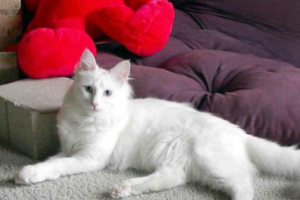
What Are the Symptoms of Cat Diarrhea
Diarrhea is soft to watery stool. If your cat has diarrhea, you may see blood, mucus, parasites or foreign material in the stool. Here is a detailed look at the symptoms.

Cat Acute Diarrhea: Symptoms and Treatment
Diarrhea is caused by excess water in the stool and is an important sign of intestinal disease in cats. It can affect your cat through severe fluid loss, leading to dehydration, electrolyte imbalance or acid-base disturbance.
After my cat’s bath I didn’t dry it thoroughly; it had diarrhea for two days and sneezed a few times but has no other symptoms. Is it a cold? What should I do?
Diarrhea and sneezing after a bath are likely due to chilling and stress. If the diarrhea has stopped, give pet probiotics to settle the gut. If it continues, use pet bismuth subcarbonate, smectite, and amoxicillin clavulanate. Keep your cat warm and feed a bland diet; watch for two more days before using cold medicine.
What are the symptoms of a dog having diarrhea from catching a chill?
A chilled dog with diarrhea shows soft stools, vomiting, low appetite, lethargy, sneezing, runny nose, and sleepiness. Keep it warm, give pet anti-inflammatory and anti-diarrhea medicine, and add cold medicine if needed. If it does not improve, rule out distemper or parvo.

What Is Inflammatory Bowel Disease in Cats?
Feline IBD is a chronic gut disease where inflammatory cells thicken the intestinal wall and block nutrient uptake, showing as persistent vomiting and diarrhea that won't resolve. Food allergy is the top trigger, with bacteria, parasites, and stress as contributors — so pinpoint and drop the offending food.

Symptoms of Hepatitis in Dogs and How to Treat It
Canine hepatitis commonly shows up as loss of appetite, lethargy, digestive upset, weight loss, and anemia. Treatment targets the underlying cause and combines medication to support bile flow with a balanced diet and steady at-home care.

Pet Vomiting (Part 3): Vomiting from Internal Parasites and Toxicity in Dogs and Cats
Internal parasites living in a dog or cat's gut irritate the intestinal lining and trigger vomiting, sometimes expelling visible worms. Food poisoning causes far more violent vomiting along with seizures and drooling, and demands immediate induced vomiting and gastric lavage. Routine deworming and keeping toxic foods — onions, grapes, chocolate, macadamia nuts — out of reach are the best defenses.

Common Illnesses and Symptoms in Kittens
Kittens have weak immunity, so watch daily for dullness or odd behavior. Beware parvovirus, gastroenteritis, rhinotracheitis, ringworm, and ear mites, all serious and contagious, needing prompt isolation and a vet.

Cat Cold: Symptoms, Care, and Prevention
A cat's normal temperature runs 38.0–39.6°C; a dry nose and warm ears hint at fever, and any sick cat needs easy food plus water (a pinch of salt per 100 ml, syringed if it won't drink). Keep the environment clean, warm in winter, and well-ventilated in summer, and take the cat to a vet promptly if symptoms worsen or it stops eating, drinking, or breathing easily.