Search Results
1563 results for “cage size”

Parrot Cold: Symptoms and Treatment
Parrots get colds from sudden temperature swings or drafts after bathing, showing lethargy, runny nose, and sneezing. Clean the nostrils, move the bird to warmth, and use bird-safe cold medicine; severe blockage can suffocate, so treat early. Note parrot colds can spread to humans.

What Do Newborn Hamsters Eat? How to Care for Baby Hamsters
Newborn hamsters depend entirely on their mother's milk and are usually weaned at around four to five weeks of age. Once their eyes open you can introduce easily digestible hamster food, and by four weeks they should be separated from the mother to prevent stress and aggression. Avoid spicy foods and fruit pits, which can be toxic to hamsters.

What to Do When Your Rabbit’s Mouth Is Sore or Cracked
A rabbit with a sore or cracked mouth needs prompt checking and treatment, or the problem can worsen. Common causes are a vitamin-deficient diet, poor oral hygiene, and dehydration; treatment means switching to vitamin-rich greens and hay, cleaning the mouth, encouraging water, and providing chew toys to keep teeth worn.

How to Supplement Calcium for Parrots
Parrots need steady calcium for healthy bones and development. Provide it through mineral grit, calcium-rich powders mixed into seed diets or cuttlebone, and dedicated calcium-phosphate supplements, plus sensible sunlight to aid absorption.

Common Parrot Eye Diseases and Their Treatments
Parrots commonly develop keratitis, conjunctivitis, and cataracts, usually from cage scratches, injury, infection, or nutrition gaps. Most are manageable with prompt cleaning, antibiotic drops, or surgery for cataracts, but prevention through a clean environment is best.

How a Chinchilla Acts After Holding a Grudge
An annoyed chinchilla will hide from you, puff and exhale loudly, and refuse food. Win it back in three steps: lure it with treats, gently stroke its back while it eats, then pick it up once it no longer avoids you.

Parrot Eye Swelling: Symptoms and Treatment
Parrot eye swelling (locally known as 'qi yan') is a highly contagious disease that mainly affects peachy-faced lovebirds and can sweep through a flock with often fatal results. This article covers its typical symptoms, local and systemic treatment options, and practical prevention measures.

How Long Can a Parrot Survive Crop Stasis, and How Is It Treated?
Crop stasis (also called crop impaction) in parrots is often caused by a blockage below the crop or by slow digestion, and if left untreated a parrot—especially a chick—usually survives no more than about three days. Prompt care includes withholding food and water, giving probiotics, and, for severe cases, clearing the crop with a syringe and tube or seeking veterinary treatment.
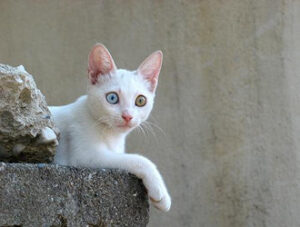
TurkishVan
Turkish Van (details)

Cornish Rex
The Cornish Rex, English name Cornish Rex, originates from England. Its ancestor is a non-purebred shorthair, dating to 1950, with a childlike, mischievous personality. The breeder mated the first kitten, Kallibunker, with its mother, producing more cats. This is the origin of the Cornish Rex breed.