Search Results
1563 results for “cage size”

What to Look for When Buying a Guinea Pig
When buying a guinea pig, avoid ones under one month old and prefer 1-5 months. Inspect the eyes, limbs, ears (for parasites), mouth and teeth, and rear for health, choose a shiny coat with good appetite and energy, and consider a same-sex pair so they settle in together.
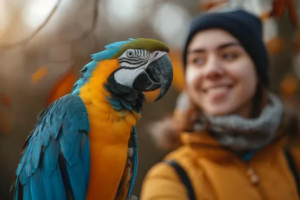
What to Do When Your Parrot Shows Breeding Behavior
Breeding behavior in parrots is natural but can turn noisy and aggressive. You can calm it by avoiding sensitive-area petting, trimming rich foods, removing nest materials, and giving daily out-of-cage time and baths.

How to Keep Your Guinea Pig Warm During Seasonal Changes
Guinea pigs are comfortable at 20-28°C; below 20°C they need warming. Seasonal swings bring sudden cold snaps, so keep them indoors, block drafts with towels or boxes, raise the cage off the cold floor, and use heating pads or blankets if it gets colder.

What to Do When Your Hamster Has Diarrhea
A hamster's gut is delicate, and diarrhea can turn fatal fast without prompt care. Causes include too much watery food, poor hygiene and stress, cold weather, or allergies. Treat by cutting juicy foods and adding probiotics, warming the cage, or removing the allergen; keep the environment dry and ventilated.

How to Reduce Your Guinea Pig’s Odor
Guinea pigs cannot be bathed often, yet odor builds up if they are not cleaned. Cut smell by feeding low-protein pellets, litter-training in a corner toilet, cleaning the cage daily with absorbent bedding, using pet deodorizers or gut supplements, and giving an occasional warm-water bath.
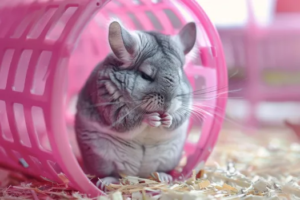
What to Do When Your Guinea Pig Is Losing Hair
Hair loss in guinea pigs can be normal seasonal shedding or a sign of a skin problem such as fleas or ringworm. Identify the cause before treating: check the skin for redness, scabs, or itchiness, isolate and treat any parasite infection, and see a vet if you cannot determine the cause.

Why Your Budgie Screams at Night and How to Stop It
Budgies are diurnal and normally settle down at night, so persistent screaming after dark usually signals stress, hunger, or a disrupted routine. Common triggers include fright, an off schedule, nighttime noise, and an unstable perch. You can quiet a noisy bird by fixing its light and quiet, offering food and water before bed, and using calm, consistent training.

Why Won’t My Lovebirds Breed, and How to Trigger Mating
Plan breeding after one year of age, cap at three clutches a year (rest in summer), give 12+ hours of light and cuttlebone calcium, and know the ~21-23 day incubation and crop-milk feeding. Well-timed, these raise fertility and chick survival.

Why Do Rabbits Grind Their Teeth (and How to Manage It)?
A rabbit's teeth never stop growing, so constant chewing is natural, but overgrown teeth cause pain, eating trouble, and even eye or ear infections. Provide chew toys and hard pelleted feed, and have a vet trim teeth that grow too long.

Does a Rabbit Scratching Its Ears Mean Ear Mites?
A rabbit that keeps scratching or shaking its ears is often dealing with ear mites, but it could also be simple earwax or an insect bite. Check the ears: clean wax gently, or if mites are present, isolate the rabbit, clean and disinfect, and use an Elizabethan collar while treating.