Search Results
1563 results for “cage size”

What to Do When a Parrot Has Crop Stasis, and Can It Digest on Its Own?
Parrots digest slowly and crop stasis is common; it generally will not resolve on its own—especially in chicks, whose digestion is weaker. Left untreated it causes vomiting and death. Treatment means withholding food and water, giving yeast tablets or dissolved digestive enzymes, keeping the bird warm, and, for severe cases, suctioning the crop with a tube—plus vet care if it does not improve.
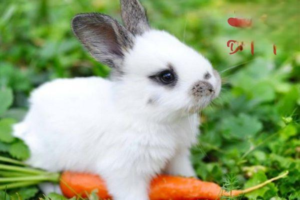
Should Rabbits Fast Before Spay or Neuter Surgery?
Rabbits should NOT be fasted before spay or neuter — they do not vomit under anesthesia, and an empty gut raises the risk of fatal gastrointestinal stasis. Spaying females at 1–2 years and neutering males around 6 months lowers reproductive-disease risk, and after surgery keep the environment calm, offer plenty of water and food, and watch the incision for infection.
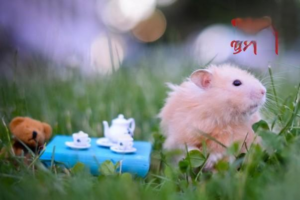
How to Keep Hamsters Cool and Prevent Heatstroke in Summer
In sustained high temperatures hamsters can suffer heatstroke. Use cooling bedding such as corn cob or cat litter instead of heat-retaining wood shavings, place the cage in a cool, well-ventilated room, and add a bowl of water or chilled stones to lower the ambient temperature. Make sure your hamster always has plenty of water to drink.

Tips to Help Your Parrots Breed and Hatch Successfully
After a pair bonds, prepare a roomy cage with a wooden nest box, high-calorie protein food, and warm bedding. During laying, candle eggs at one week to spot infertile ones; during incubation keep 28-30 C and 60-70% humidity, and supply steady food and calcium.

Why Do Parrots Get Depression?
Parrot depression shows as feather-plucking and irritability, harming the bird and risking head-banging. Common causes are boredom, anxiety, hormonal or environmental change, and mineral deficiency - all preventable with company, enrichment, and balanced diet.

How Light Affects Parrots
Light drives a parrot's health and breeding: it supports vitamin D, metabolism, and immunity, and longer days trigger breeding. Give direct (not through-glass) sunlight or a full-spectrum lamp, aiming for 10 hours daily and over 15 to boost reproduction.

Why Parrots Are a Poor Fit for Full-Time Workers
Parrots need companionship and enrichment; long alone hours in a small, monotonous cage lead to stress, depression, and feather-plucking. Full-time workers who cannot meet these needs should think twice, or keep a pair and enrich the environment.

Guinea Pig Care: What to Avoid
Guinea pigs are relatively easy pets, but there are taboos: poor living conditions, random feeding, and cold environments among them. This list covers the key don'ts—from diet and housing to temperature and safe bowls—so your pig stays healthy.

Is My Chinchilla Dead If It Has Gone Stiff?
A chinchilla that suddenly goes stiff and motionless worries many owners, but stiffness is not always death. The common causes are low blood sugar, heatstroke, cold (entering a dormant state), and injury. Most are reversible with warmth, glucose water, cooling, or veterinary care—so check before assuming the worst.

How to Deworm a Parrot and How Often
Hand-raised parrots that aren't dewormed regularly can fall prey to fleas, lice, coccidia, trichomonas, and other internal and external parasites. This guide covers practical parrot deworming methods—external baths and sprays, plus internal medications—along with a safe yearly schedule.