Search Results
1563 results for “cage size”

How Is Psittacosis Treated?
Psittacosis is a contagious chlamydia infection that spreads among birds and can pass to humans through contaminated air. Infected birds show respiratory and digestive signs and need prompt veterinary antibiotic treatment, while prevention relies on isolation, disinfection, and protective gear.

Diagnosing and Controlling Rabbit Mange
Rabbit mange most often strikes kits and can be fatal. This guide covers the environmental causes, the symptoms to watch for, and the cleaning and treatment steps that prevent a full-colony outbreak.

Treatment and Care for Psittacosis (Parrot Fever)
Psittacosis causes watery diarrhea, poor appetite, and lethargy in birds, and is risky for chicks. Adults may recover. Learn the medication and nursing care.
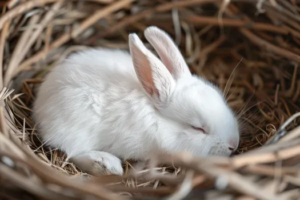
Essential Rabbit-Care Basics Every Owner Should Know
New owners often feel lost; without learning, rabbits are hard to keep alive. Here are the basics of rabbit care.

What Is Psittacosis (Parrot Fever)?
Psittacosis is a contagious disease among many birds — parrots, gulls, pigeons — and can rarely spread to humans, causing cough, fever, and muscle pain. Learn how it spreads and its symptoms.

What to Do When a Parrot Fluffs Up
Fluffing has many causes and isn't always illness. Normal stretches or temperature control need no action, but lethargy, vomiting, or shivering means a vet. Learn the causes and fixes.

Why Does a Parrot Fluff Up Its Feathers?
Fluffing isn't always illness — a parrot also fluffs when angry or tired, which is normal. Learn the common causes and symptoms to tell them apart.

Rabbit Mastitis
Mastitis in rabbits causes loss of appetite and refusal to nurse; without prompt treatment the doe can die from septicemia. The main signs are a hot, red, painful udder that may turn blue in severe cases. It most often appears in nursing does around 20 days after kindling.

Occurrence Patterns of Rabbit Infectious Rhinitis
Infectious rhinitis in rabbits follows clear, predictable patterns. Incidence rises with higher stocking density, certain cage arrangements, the rearing method, the rabbit's breed and age, and seasonal temperature swings. Understanding these patterns helps breeders reduce outbreaks through better housing and management.

Treatment and Prevention of Infectious Rhinitis in Rabbits
Infectious rhinitis in rabbits is hard to eradicate and easily relapses, so prevention matters most: low density, good ventilation, clean hutches, steady warmth and the Pasteurella vaccine. For outbreaks, florfenicol, tilmicosin or tylosin now work better than the overused penicillin–streptomycin combo.