Search Results
1563 results for “cage size”

How to Keep Your Hamster Healthy
Hamsters are simple to house but need careful owners. This guide covers balanced diet, clean environment, stable temperature and humidity, and low stress to keep a hamster thriving.

What Situations Cause Female Rabbit Infertility?
Rabbit infertility has many causes — some congenital, some acquired. This article lists common situations that lead to doe infertility and how to respond.

Types of Hamster Bedding
The wrong bedding can trigger allergies, so choose carefully. This guide compares wood pellets, shavings, paper cotton, paper pellets, cat litter, and pet pads so you can pick what fits your hamster.

Can You Neuter a Hamster?
Neutering a hamster isn't realistically available and carries high risk from anesthesia and tiny size. This guide explains why and how to manage breeding instead — mainly one hamster per cage.

Why Female Rabbits Struggle to Conceive
Many factors make conception difficult for does: underdeveloped reproductive organs, reproductive disease, poor management, or dead sperm in the buck. This article details the main reasons.

How to Prevent Hamster Heatstroke
Hamsters fear heat as much as cold — above 25°C brings heatstroke risk, and direct sun for five minutes can be fatal. This guide covers shade, ventilation, hydration, and cooling to keep a hamster safe in summer.
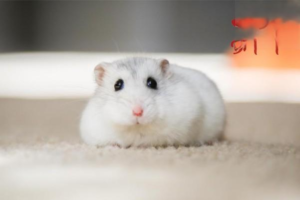
Winter Care Tips for Hamsters
Hamsters are highly cold-sensitive and can even enter fatal false hibernation. This guide covers diet, warm bedding, a cozy nest, and how to spot and reverse pseudo-hibernation.

Causes and Treatment of Diarrhea in Baby Rabbits
Kit diarrhea comes in food-based, mucous, and dysenteric forms, each needing a different treatment. This guide covers the causes, the right medications, and how to prevent the deadly Clostridium perfringens type A infection.

What Skin Diseases Affect Hamsters?
Most hamster skin problems come from poor husbandry and cause itching, hair loss, and distress. This guide covers the three main types — parasitic, ringworm, and allergic — and how to treat and prevent each.

What Are the Symptoms of Psittacosis?
Psittacosis causes listlessness, discharge, and diarrhea in birds, and flu-like illness or pneumonia in people. Infected flocks need prompt veterinary antibiotics, isolation, and strict hygiene with protective masks and gloves.