Search Results
1558 results for “cage size”
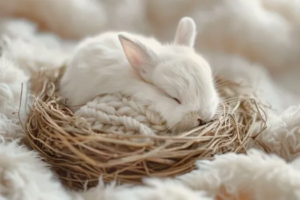
Planning Rabbit Breeding the Smart Way
Rabbit breeding success tracks the seasons — spring and autumn are ideal, summer needs a heat break above 30°C, and winter demands warmth and rich feed. Breed at mid-to-late estrus (red to purple vulva), stimulate ovulation for AI, and pick cool or warm hours by season; never mate within an hour of feeding.

Preventing and Treating Lice Infestation in Rabbits
Rabbit lice are an external parasitic disease driven by damp, dark housing that lets lice bite the skin and trigger intense itching and inflammation. Isolate affected rabbits, disinfect the hutch, and treat with neem leaves or a stemona (Baibu) wash or trichlorfon powder. Good sanitation and a dry, airy environment are the best defense.
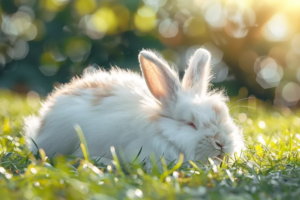
Preventing and Treating Mange Mites in Rabbits
Rabbit mange is an external parasitic disease caused by sarcoptic and psoroptic mites, threatening entire herds if not controlled early. It appears as skin mange (body) or ear mange, with itching, hair loss, and crusting. Prevention centers on dry, clean housing and quarantine, while treatment uses trichlorfon, ivermectin-type drugs, or medicated baths.
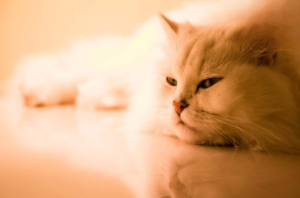
What Cat Ringworm Looks Like at the Start
Cat ringworm is a contagious fungal infection that can pass to people, especially kids, the elderly, and pregnant women. Early signs are rough coat, patchy hair loss with scaling, and itching; treatment means isolation, nutrition, topical sprays, and vet care for severe cases.

Problem Behaviors in a Cat New to Your Home
A newly arrived cat, especially a kitten, may show stress signs: mild vomiting or diarrhea, constant meowing, hiding, or missing the litter box. Most ease within days, but persistent or worsening signs mean a vet visit.

What to Do When a New Cat Won’t Use the Litter Box
A cat arriving in a new home is stressed and may ignore the litter box, mostly because the box carries no familiar scent to mark it as a toilet. The fastest fix is to keep the cat's original box, or — for a cat that was shipped — confine it with a box in a small space so it learns by scent. Also make sure the box sits somewhere quiet and private, holds the litter it knew before, and is not shared with a resident cat.

Eight Key Care Points for Pet Parrots
Eight care points keep a pet parrot healthy: disinfect the cage and perches often and keep them dry, avoid dirty or unsuitable food, prepare the diet without oil or seasoning and cool cooked food to room temperature, wash fruit and vegetables in a salt-and-lemon soak, hold a steady aviary temperature, clip wings sensibly to prevent escape, guard against heat (over 37°C can be fatal), and train regular, timed feeding.

Can You Bathe a Guinea Pig in Water?
Guinea pigs can be bathed, but wait until they are at least a month old and handle the process gently. Use shallow lukewarm water with a small-animal shampoo, dry them thoroughly afterward, and keep baths infrequent — about once every two weeks in summer — since over-bathing irritates their skin.

What Does It Mean When a Chinchilla Purrs or Chirps?
Chinchillas are naturally quiet, so a sudden purring or chirping usually points to something specific — boredom, fear, mating season, illness or injury, anger, or even a bad dream. Listen and watch to work out the cause, and check for signs of pain or sickness if the sound is new.
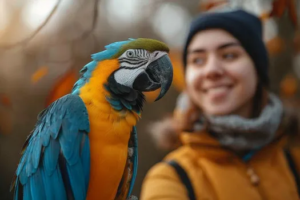
Best Ways to Treat Diarrhea in a Budgerigar
Diarrhea in budgerigars shows as watery, discolored droppings, a soiled vent, lethargy, and extra drinking — and can be fatal if ignored. Start with garlic water and warmth for a day or two, move to oxytetracycline if there's no improvement, and suspect chlamydia (psittacosis) when eye and nose discharge appear.