Search Results
1558 results for “cage size”
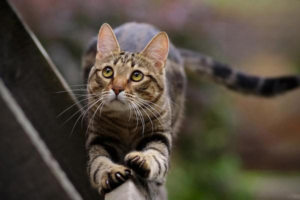
Why Your Cat Doesn’t Bond With You
A cat that won't bond usually missed its socialization window — weeks 4 to 9, when calm exposure to new things (vacuum, dryer, people) teaches a kitten to trust. Good breeders play with each kitten daily through three months for exactly this reason, and caged cats rarely get it. Miss the window and the cat stays insecure, but with far more time and patience most still grow attached to their owner — just wary of everyone else.
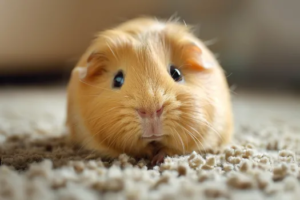
Which Hamster Is the Gentlest?
Among Campbell's dwarf hamsters, the wild-colored and 'purple' varieties have the gentlest temperaments, the Roborovski is the smallest, and the 'milk tea' is the prettiest — but hamsters are solitary and breed fast, so house them one per cage to avoid fights and overcrowding. Give a roomy cage with a wheel, keep them cool (they hate heat), feed a proper mix rather than human food, and offer boiled-cooled water and chew toys.
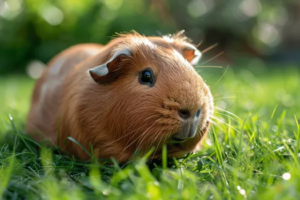
Chinchilla: Yellow Fur on the Rump — What to Do, and Can You Bathe It?
Yellow fur on a chinchilla's rump usually comes from urine stains or damp fur that oxidized, and if bad it can inflame the skin. Wipe with a warm towel, trim what will not come clean, or use a dust bath to fade it — but do not wash a chinchilla with water: the stress can drop immunity and even prove fatal, the dense coat stays wet and invites skin disease, and the natural protective film is stripped away. Keep the cage bottom dry, and simply yellowed fur is harmless.

How to Train Your Pet Rabbit and Build Its Memory
Rabbits are smarter than they look and can remember a surprising amount — their name, commands, and where to eliminate — but only with patient, consistent training. Talk to your rabbit often so it learns to read your tone, and use the litter box as a first project: place it in the rabbit's preferred corner, scent it with its own urine, correct misses, and reward successes. Most rabbits get the idea within a week.

How to Train Your Pet Rabbit
Timid rabbits can still learn real skills — their name, returning to the cage, and tolerating nail trims — with patient reward-based training. Correct misbehavior in the moment, never after the fact, or you only teach fear.
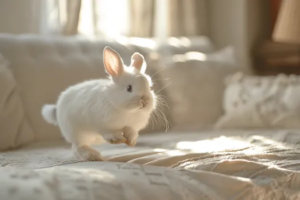
How to Prevent Sore Hocks (Pododermatitis) in Pet Rabbits
Sore hocks (pododermatritis) in rabbits come from two main causes — mite infection and thin wire cage floors — both of which cut foot circulation, injure the sole, and let Staphylococcus in (heavier rabbits suffer most). Prevention means clearing mites with ivermectin on a set schedule, using a smooth bamboo base board, boosting nutrition, and keeping the hutch dry and ventilated.

Understanding Normal Rabbit Behaviors
Knowing a rabbit's normal behaviors helps breeders spot problems early and respond in time. Key patterns include feeding and drinking, nursing, cecotrophe (soft stool) eating, and territorial marking. Recognizing what is typical versus abnormal is essential to rabbit health and productive husbandry.

How to Assist Rabbit Mating and Pregnancy Checks
Successful rabbit breeding depends on timely, supervised mating—move the doe into the buck's cage at mid-estrus and return both rabbits afterward. Pregnancy is best confirmed by careful abdominal palpation 8–10 days post-mating. Good technique directly raises your herd's reproduction rate and profitability.

Causes of Rabbit Pica
Rabbit pica — the compulsive eating of non-food items such as fur, bedding, or newborn kits — usually arises from a mix of behavioral, environmental, nutritional, and health factors. Cage confinement, stress, poor husbandry, low fiber or mineral gaps, and skin parasites are the most common triggers. The fix starts with finding the root cause: a calm, clean enclosure, plenty of hay, added minerals, and prompt parasite treatment.

How Do Male and Female Rabbits Act When in Heat?
Intact rabbits show clear, different heat signs by sex. Does get a dark-red, swollen vulva, rub their chins on objects, and may show false pregnancy; bucks circle, mount, and bite to hold. Knowing these signs helps you manage breeding and the mess that comes with it.