Search Results
1558 results for “cage size”

Red-shouldered Macaw
Macaws are never small in size, and even as the smallest macaw, the Red-shouldered Macaw exceeds 30 cm in body length. Because it can talk, the Red-shouldered Macaw has found its way into many homes. With proper care it lives about 20 years, though records show the oldest individuals can reach 80 years of age.

Hyacinth Macaw
The Hyacinth Macaw (Anodorhynchus hyacinthinus) is the largest parrot in the world and one of the rarest creatures on Earth. Because of its high value it has long been a target for hunters, and this has pushed the species toward a survival crisis.

How to Set Up a Rabbit Hutch
Rabbits live in cages long term, so a comfortable hutch is essential, and place it away from damp, dark spots. This article details the items and cautions for setting up a rabbit hutch.

What Do Guinea Pigs Eat and How to Care for Them
Guinea pigs are easy to keep, but new owners should learn the right diet and care: what to feed, how many meals a day, and so on. Here are the key points of guinea pig care.

How Often Should You Change Hamster Bedding?
Change hamster shavings about once a week, every 3–4 days in hot, humid summer, and every 7–10 days in dry winter—or right away if they turn damp, smelly, or moldy. Always clean and dry the cage, pick season-appropriate bedding, and wash your hands to keep bacteria down.
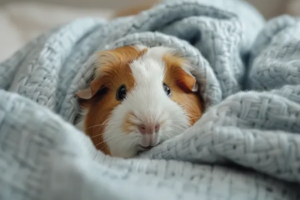
Common Hamster Diseases and Treatments
Hamsters commonly face colds, skin disease, eye inflammation, and diarrhea. Keep the cage warm, clean, and dry, feed a balanced diet with vitamin C, and treat each problem specifically — mild colds and diarrhea often settle with careful home care, but severe cases need a vet. Never dose blindly; a hamster's tiny size means a little medicine goes a long way.
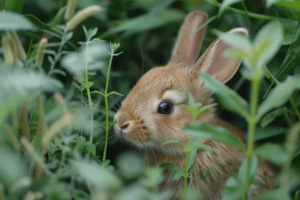
Why Rabbits Pull Their Own Fur
A rabbit pulling its fur may simply be a pregnant doe lining a nest before birth — or it may signal skin disease, parasites, a vitamin/mineral shortfall, or the stress of too small a cage. Check the skin for rash or scabs, fix the diet with varied hays and greens, and give it room to roam; separate any fur-puller from cage-mates so the habit doesn't spread.
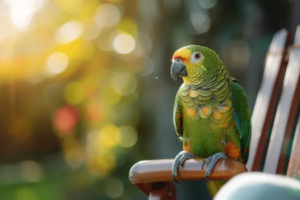
When Society Finches Can Breed and How to Manage It
Most society finches can breed from about 7 to 8 months, while smaller types start at 4 to 5 months; they lay up to 4 to 5 clutches a year with parents sharing incubation. Success depends on good nutrition, a quiet nest, egg candling around day 7 to 8, and careful chick rearing.
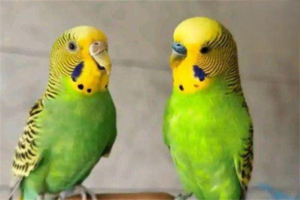
Can Parrots Get Stressed? (and How to Prevent It)
Yes — parrots feel stress, and chronic stress weakens their immune system, dulls their appetite, and can even lead to self-harm or attacks on cage-mates. Stress rises with poor care, unmet needs, fear, over-handling, or predators like cats and rats. Ease it with a safe, quiet, well-protected space, steady food and water, hideouts, and room to move.
Breeding Parrots: What Owners Should Know
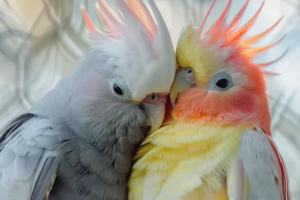
Parrots breed from October to June, raising 3–4 clutches of 4–7 eggs, each incubating about 18 days with chicks independent at around 40 days. Before breeding, supplement the hen with liquid calcium and vitamins in her water, add egg-food to about 10% of her diet, and set up a clean nesting box with 3–5 cm of bedding. Rearing can be by hand or by the parent; if you don't want chicks, separate the sexes and cut oily seeds.