Search Results
1558 results for “cage size”
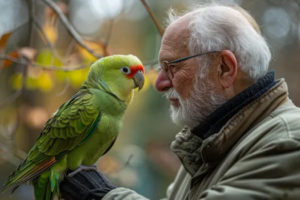
Why Your Parrot Won’t Eat
A parrot stops eating when frightened, sick, overly full, or lonely — never force food, and match the fix to the cause. If its spirits and droppings are normal, it will usually eat once hungry, but illness or impaction needs real attention.
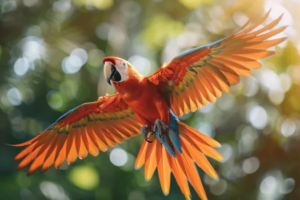
How to Get Your Long-Tailed Parakeet to Like You
Winning a long-tailed parakeet's affection comes down to meeting its basic needs, giving it a safe and comfortable home, keeping it mentally stimulated with toys, and earning its trust through calm, consistent interaction. Affection follows security — neglect either one and the bond stalls.
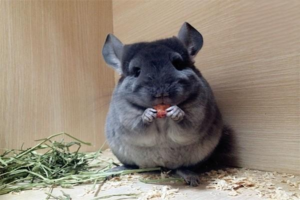
What to Do When a Chinchilla Won’t Eat
A chinchilla stops eating for clear reasons — too many treats, overgrown teeth, heatstroke, or illness and fright — so find the cause before acting. Cut the snacks, support tooth wear, cool it down in summer, and see a vet for genuine sickness.
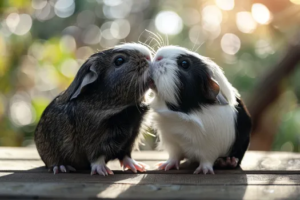
Symptoms of Viral Enteritis in Guinea Pigs
Viral enteritis in guinea pigs comes in acute, subacute, and chronic forms. The acute type kills with no warning — a normal-looking, plump animal drops dead; subacute brings lethargy, appetite loss, and finally blood in the stool over 10–15 days; chronic causes slow wasting and a crusted, hairless 'sore eye' ring. It is highly fatal, so early treatment is the only way to raise the odds.
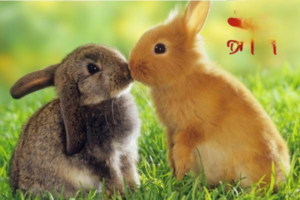
Why Is Your Rabbit Dragging Its Hind Legs?
A rabbit dragging a hind leg won't recover on its own — get it to a vet for imaging to rule out a fracture, then look at calcium deficiency, nerve damage, or soft-tissue injury. Fractures often come from falls, improper handling, or cage-floor pressure, and frightened rabbits can hurt themselves bolting; keep the enclosure calm and safe. Prompt, cause-specific treatment is the only way to avoid permanent paralysis.
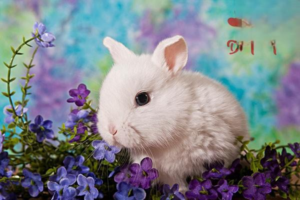
How to Correct a Pet Rabbit’s Bad Habits
Rabbits are like children — curious and occasionally destructive — so correct misbehaviour the moment it happens, without hitting. A sharp clap or stomp to startle, a two-minute cage time-out, or a brief lift off the ground all teach the lesson; reward good behaviour and stay patient, since it takes repetition.
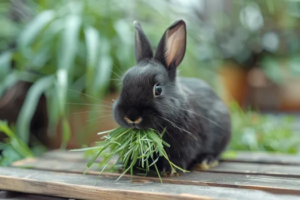
Why Light Matters for Rabbit Growth
Light is essential to a rabbit's health — moderate exposure aids growth, speeds fur production, and boosts fertility, with long-haired rabbits the most dependent (artificial light can lift their yield about 35% over natural). Lean on natural light first and top up with artificial, giving breeding does around 16 hours; but keep summer sun short to avoid heatstroke.
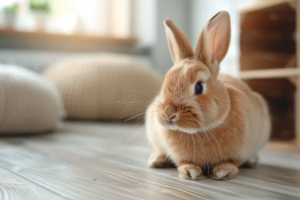
How to Care for a Pregnant Rabbit
A pregnant doe needs rising nutrition — especially in late gestation — to support embryos and later milk production, with green feed increased and concentrate eased only in the final three days. Handle her gently to avoid miscarriage around days 15–20, house her alone in a quiet, dry space, and disinfect the nest box before birth.
Why Should You House Rabbit Kits Separately from the Doe?
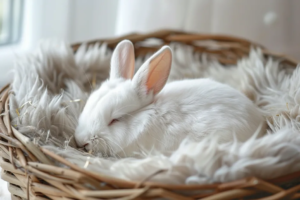
Separating rabbit kits from the doe after birth — nursing her in twice daily — protects the mother's recovery and lets her breed again within a month, stops the kits from competing for adult feed (which damages their immature guts), and sharply cuts coccidiosis and other kit diseases. After separation, watch the kits' growth (red ears = well-fed) and guard against escapes and predators.
What Are a Pet Rabbit’s Habits?
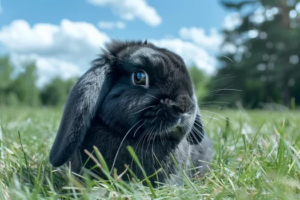
Pet rabbits are clean and dryness-loving, timid and noise-shy (a fright can stall a doe's labour), cold-hardy but heat-sensitive (adults like 15–25°C, kits 30–32°C), nocturnal feeders (up to 75% of food at night), keen burrowers, and same-sex squabblers — so give them a dry, quiet, cool, burrow-friendly home and nightly meals.