Search Results
1563 results for “cage size”

Long-Haired Curly Guinea Pig
The Long-Haired Curly Guinea Pig, also known as the long-curly-haired cavy, is a rare and distinctive guinea pig variety native to Peru and Brazil. With its unique curly long coat and gentle nature, it makes a beloved small pet, though its coat requires regular grooming to prevent matting.
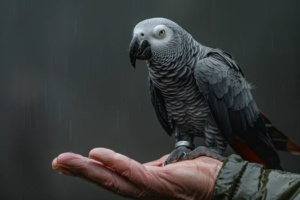
How to Tell If a Parrot Likes You
Parrots show affection subtly - calling when they see you, letting you touch them, lowering their head, flying to you, or gently mouthing your hand all signal trust. Bonding grows from meeting their needs, providing security, regular interaction, and toys.
How to deworm a Pug?
A Pug can start deworming at 2 months via tablets, injections, or drops. External deworming is suggested monthly; internal is monthly before adulthood and 2-3 months after. Avoid baths 3 days before and after topical drops or sprays so they work. Regularly clean the Pug's environment and items to kill and prevent parasites.

Why Is Your Hamster Lethargic, Sleeping Constantly, and Not Eating?
A new hamster may just be settling in or frightened; heat or illness (cold, gut infection, parasites, low sugar, injury) can also cause lethargy and appetite loss. Hamsters are nocturnal, so daytime sleep is normal - constant sleep with other symptoms means trouble.

How to Prevent Skin Disease in Shih Tzu Bear Hamsters
The Shih Tzu bear hamster has long, beautiful fur but is prone to skin disease. Causes include wrong bedding (wood shavings, paper pellets) that mats the coat, and urine left on the fur causing hair loss and sores. Treat by clipping and cleaning the spot, then applying an antifungal or antibacterial medicine with an Elizabethan collar. Prevent it with a roomy, dry, cool cage, cat-litter or tissue bedding, litter training, and regular sand baths.

Are Chinchillas Easy to Keep, and How Much Do They Cost?
Chinchillas are fairly easy: gentle, quiet, clean, and light eaters, living 15+ years. Prices run 300-500 yuan for standard grey up to 3000-5000 for rare colors. Downsides: timid, heat-intolerant (die above 30 C), limited bonding, and fragile digestion.

Chinchilla Care Basics: What Living Environment Do Chinchillas Need?
Chinchillas come from the dry, cool Andes, so they need 10-25 C and 40-60% humidity, dim light, fresh air without drafts, a quiet spot, and a tall cage placed up high where they feel safe.
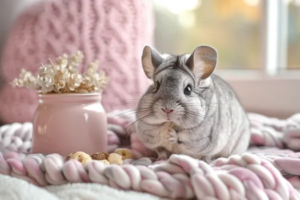
How Long Do Shih Tzu Bear Hamsters Live? How to Care for Them
The Shih Tzu bear hamster, bred from the golden (Syrian) hamster, lives about 3–4 years, with lifespan tied to care. It has long fur, a small body, black eyes, a broad face, a small appetite, and little waste, and is strongly solitary—house one per cage except when breeding. Feed a simple diet with cooled boiled water and avoid watery produce that upsets its weak gut; groom its long coat, keep the home dry to prevent skin disease, and block its clever escape routes.

Things to Know When Keeping a Shih Tzu Bear Hamster
The Shih Tzu bear hamster (a long-haired Syrian) is easy to keep but needs care: do not spoil its picky side, feed set amounts in small frequent meals with cooled boiled water, and watch its food hoarding. Use a large cage, secure the door against escapes, choose cat-litter or tissue bedding (not wood shavings), fit a big wheel, give proper chew sticks, never place it up high, and keep the temperature steady—big swings can be fatal, especially for the young.

Are Hamsters Sensitive to Cold? How to Keep One Warm in Winter
Hamsters are very cold-sensitive; 20-25 C is ideal and below 20 C risks torpor or death. In winter add warm bedding, heat the room or use a heat mat, boost calories, and revive promptly if it goes into torpor. Always house one hamster per cage.