Search Results
1563 results for “cage size”
Preventing and Treating Rabbit Paratyphoid (Salmonellosis)
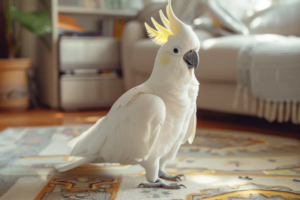
Rabbit paratyphoid (salmonellosis) is a zoonotic infection spread by contaminated feed and water, rodents, and flies; signs range from sudden death to diarrhea, wasting, and abortion in pregnant does. Control it by excluding vectors and vaccinating does, and treat with chloramphenicol, oxytetracycline, streptomycin, or sulfonamides.

Cockatiel: Habits and Breeding Performance
The cockatiel is a quiet, musical parrot that is hardy, disease-resistant and easy to keep, but needs a metal cage (it chews wood) and a varied diet. Its breeding season runs August to December, with 4–7 white eggs incubated about 18–20 days, and it can raise 3–4 clutches a year. Stop breeding in hot July–August and in old age, and keep the environment quiet and warm during incubation.

What Do Golden Hamsters Eat? How to Care for Them
Golden hamsters are omnivores that hoard food, so offer staples (pellets, oats, millet) plus small amounts of safe fruit, veg, meat, and insects — never apple seeds, onions, chocolate, or human food. Keep them at 20–28°C with soft bedding and good ventilation.

What Is Hamster Wet Tail Disease?
Wet tail, also called proliferative ileitis, is a serious intestinal disease in hamsters, common in young ones and often fatal. Here is what you need to know about it.
Causes and Treatment of Ulcerative Pododermatitis (Sore Hocks) in Rabbits
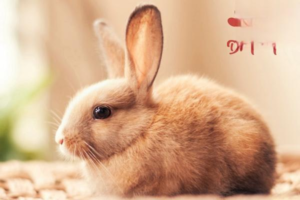
Ulcerative pododermatitis (sore hocks) is a pressure-induced skin ulcer on the soles and sides of a rabbit's feet, most often seen in adults kept on hard or wire cage floors. It causes pain, reluctance to move and, if infected, can lead to abscesses, cellulitis or even fatal septicemia. Good hutch design, soft bedding and prompt wound care are key to prevention and treatment.

Do Hamsters Fart? And What It Means
Yes, hamsters fart — it is normal, usually odorless, and linked to gas-forming foods like cabbage. Frequent smelly gas can signal gut trouble (try probiotics); 'popping' sounds may instead come from dust, sneezes, chills, or a dirty cage.
How to Make Your Hamster Friendly and Bond with You
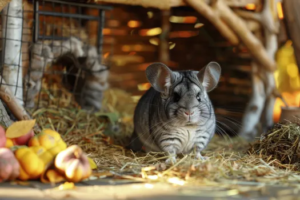
Hamsters are not very smart and are naturally timid, but with patient daily handling they gradually learn to recognize their owner and become affectionate. The key is to let the hamster get used to your scent, win it over with food, build up physical contact slowly, and stay calm and gentle during interaction.

Why Rabbits Get Angry and How They Show It
Rabbits are a bit willful and can sulk for no clear reason, then quietly calm down. But their anger isn't always petty; sometimes the owner missed something. Here are the common causes and signs.

How to Raise Rabbits
Successful rabbit keeping rests on healthy breeding stock, a clean ventilated hutch, grouped by size and sex, a digestible diet (pellets, alfalfa, veggies, boiled water), daily cleaning, and preventive vaccines against rabbit hemorrhagic disease and coccidiosis.

Hamster Feeding: What to Feed and What to Avoid
Hamsters are omnivores that do well on a fortified staple mix, supplemented with small amounts of grains, vegetables, fruit, cooked meat, and insects. Avoid spicy human food, fruit pits, and unboiled water; refresh food daily and keep the cage clean to prevent diarrhea.