Search Results
1563 results for “cage size”

Why Is Your Chinchilla Having Diarrhea, and What to Do?
Normal chinchilla droppings are elliptical, slightly moist, firm, and smooth with tiny pores. Unformed or semi-solid stool means diarrhea - from poor digestion, spoiled food, chills, stress, or a dirty cage. Stop treats, feed hay, and see a vet if it persists.
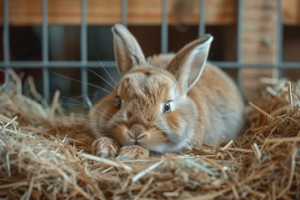
Key Points for Raising and Managing a Baby Rabbit
Baby rabbits are fragile: feed junior pellets and alfalfa (not fruit/veg), give clean water (never tap), keep the cage clean and quiet, hold temperature near 20 C (15-30 range), and prevent diarrhea and coccidiosis.

Signs Your Hamster Trusts You
A trusting hamster grooms in your presence, lets its ears relax downward near you, eats from your hand, climbs onto your hand on its own, and may chew the bars only when you approach—asking for food or out-time. Build that trust by letting it rest after arrival, feeding on a fixed schedule so it learns your scent, then offering food from your palm and adding gentle head strokes once it is comfortable.

How to Feed a Newborn Chinchilla Kit
Newborn kits nurse once dry; hand-feed with diluted formula (2-4 ml, 4-5x/day) if there are more than 3 kits or the mother neglects them. Keep them at 10-20 C, secure the cage, and wean by 6 weeks (2 months fully), separating by sex to avoid early breeding.
Why Chinchillas May Not Be for Everyone: Drawbacks and Who Should Avoid Them
Chinchillas are gentle but timid, shed, chew things, interact little, and overheat above 30 C. They suit allergy-free, patient, financially ready owners who can keep a quiet, cool, dry home - not light sleepers or the impatient.

What Breeds of Hamster Are There?
Common pet hamsters include the Campbell's (three-line), Winter White (one-line), Roborovski, and Syrian (golden) hamsters. Campbell's types such as the silver fox and pudding are gentle and can be paired after introductions; Syrians are solitary and short-tempered, so house them alone. Choose purebreds to lower diabetes risk, give a roomy cage with a wheel, and feed a proper mix with treats in moderation.

Do Rabbits Get Angry? Signs and Causes
Rabbits do get angry - they growl, honk, and thump, or give the silent treatment by ignoring you. Common triggers are hunger, lack of attention, and a proud streak. Comfort with a head rub or treat, or let a stubborn one cool off alone.

How to Care for a Pet Rabbit, Especially One Newly Brought Home
Rabbits need hay (alfalfa for young, timothy for adults), pellets and veg twice daily, fresh water, a dry 15-25 C home, and no baths. A new rabbit needs quiet, limited space, separation from residents, and a fecal test (not yet deworming) at the vet.

Do Rabbits Smell Bad? How to Handle Pet Odor at Home
Rabbits are clean animals that groom themselves, and as herbivores their droppings are not very smelly, so indoor rabbits usually cause little trouble. Still, some situations smell; here is why and what to do.

Signs a Rabbit Dislikes Its Owner, and How to Bond Quickly
Rabbits are slow to warm up, timid and cautious, so bonding is hard and the wrong approach backfires, making the rabbit dislike you more. Here are the signs of dislike and how to build a good relationship.