Search Results
1199 results for “body temperature”
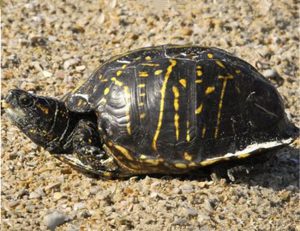
Common Box Turtle
The Carolina box turtle (Terrapene carolina) comprises six subspecies distinguished by their shell patterns and named for its box-like shell. Ranging from eastern North America through Canada and Mexico, this largely terrestrial, omnivorous turtle is exceptionally long-lived, though habitat loss has driven population declines.

Three-striped roofed turtle
The giant roofed turtles (including the Burmese, Red-crowned, and Three-striped roofed turtles) are large, rare Asian river turtles that need spacious outdoor ponds with basking sites. Timid yet personable, they require warm water and careful temperature gradients to stay healthy.
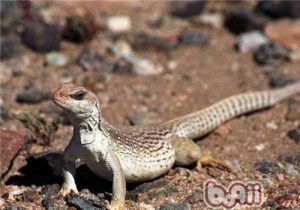
Desert Iguana
The Desert Iguana (Dipsosaurus dorsalis) is a hardy, pale-gray desert lizard of the southwestern North American deserts, tolerant of extreme heat and aridity. Primarily herbivorous and alert, it needs a hot, dry, UVB-lit enclosure with sandy substrate and burrows.
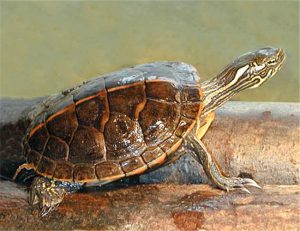
Southern Painted Turtle
The Southern Painted Turtle (Chrysemys picta dorsalis) is the smallest, most strikingly marked subspecies of painted turtle, known for the bold red, orange, or yellow stripe along its carapace midline. Easy to keep and fond of basking, it is omnivorous with a diet shifting from meat as a juvenile to mostly plants as an adult.

Bengal Roof Turtle
The Bengal Roof Turtle (also called the Red-crowned Roof Turtle) is a Critically Endangered Asian river turtle famed for the brilliant red, white, and blue courtship colors of mature males. Rare in captivity and heavily protected, it needs pristine filtered water and warm temperatures, and is mainly herbivorous as an adult.

Home’s Hinge-back Tortoise
The Home's Hinge-back Tortoise (Kinixys homeana) is a shy, high-difficulty African tortoise known for its hinged rear carapace and a 90-degree rear shell drop. It prefers warm, humid conditions with ample shade and a varied omnivorous diet, but is prone to stress-induced sudden death, so it is not recommended for beginners.
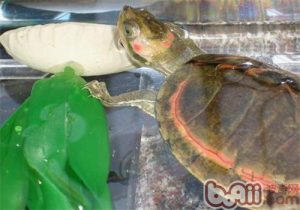
Pink-ringed Tent Turtle
The Pink-ringed Tent Turtle (Pangshura tentoria) is a striking high-domed turtle with pink cheeks and a pink ring around its carapace, but it is delicate, with hatchling mortality often above 80%, mostly from skin rot. Best suited to experienced keepers who can provide stable temperatures and a basking area.

Tiliqua nigrolutea
The blotched blue-tongued skink (Tiliqua nigrolutea) is found in southeastern Australia and Tasmania, feeding on insects, land snails, flowers, and fruit. A terrestrial skink that adapts well to captivity, it needs a temperature gradient of 22-32 deg C and humidity of 50-80%.

Physignathus lesueuri
The Australian Water Dragon (Physignathus lesueuri) is a docile, medium-sized lizard that enjoys swimming, making it an ideal choice for keepers who want a gentle, aquatic reptile. Closely resembling the Green Iguana but lacking the large rounded scales on the cheeks, it thrives with proper care and can live 10-20 years or more.

Emydoidea blandingii (Blanding’s Turtle)
Blanding's turtle is a semi-aquatic turtle of the Great Lakes region, gentle and cold-hardy, with a smooth black helmet-shaped shell and a yellow hinged plastron marked with black blotches. It is omnivorous and adapts well to captivity.