Search Results
1199 results for “body temperature”
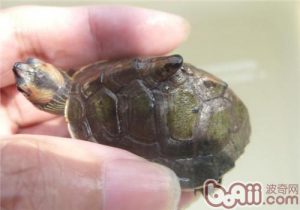
Indian Roofed Turtle
The Indian Roofed Turtle (Kachuga tecta) is one of the more common roofed turtles, recognizable by the distinctive raised black keel on its shell. Native to the rivers of the Indian subcontinent, it is a timid aquatic turtle that can enter hibernation.

Bengal Monitor
The Bengal Monitor (Varanus bengalensis) has three subspecies and, unlike some robust lizards, has a long head and an even longer body with well-developed eyelids and limbs. Distributed across the Indian peninsula and Indochina, it has been found in China only as a specimen in Yunnan.
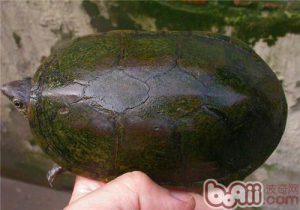
Oaxaca Mud Turtle
The Oaxaca Mud Turtle (Kinosternon oaxacae) is a type of mud turtle that aestivates in summer, burying itself in mud to cool down—hence its name. Living in slow-moving rivers, it hunts fish and shrimp in the water and is an omnivore that leans carnivorous.

Shock in Dogs and Cats
Shock is acute circulatory failure that leaves vital organs starved of oxygen. It can follow severe disease, trauma, or poisoning, and shows as pale gums, weakness, cold extremities, and collapse. Treating the underlying cause is the foundation of recovery.

Ephedrine Poisoning in Dogs and Cats
Ephedrine poisoning happens when pets receive too much ephedrine-containing medication. It causes restlessness, trembling, drooling, vomiting, and dangerously fast heart and breathing rates. Stopping the drug and prompt veterinary care are essential.

Strychnine Poisoning in Dogs and Cats
Strychnine (nux vomica) poisoning in dogs and cats causes sudden, severe nerve excitation. Affected pets become hyper-sensitive to sound and light, develop muscle twitching, seizures, and a rigid arching of the spine, and may die from respiratory paralysis. Immediate, calm veterinary care is essential.

Glycogen Storage Disease in Dogs and Cats
Glycogen storage disease is an inherited metabolic disorder in which a congenital lack of glycogen-splitting enzymes lets glycogen accumulate in the liver, kidneys, and central nervous system. It causes persistent low blood sugar with weakness, seizures, and incontinence, and needs prompt veterinary care to avoid irreversible brain damage.

Leptospirosis in Dogs and Cats: Symptoms, Treatment, and Prevention
Leptospirosis is an acute, systemic bacterial infection caused by pathogenic Leptospira. It is a zoonotic disease (transmissible to people) with rats and pigs as major reservoirs. It is characterized by short-term fever, jaundice, hemoglobinuria, abortion in breeding females, and a bleeding tendency.

Feline Infectious Peritonitis (FIP): Symptoms, Treatment, and Prevention
Feline Infectious Peritonitis (FIP) is a chronic, progressive, and often fatal viral disease of cats caused by a mutated feline coronavirus. It is marked by inflammation of the abdominal lining, accumulation of fluid in the abdomen (the 'wet' form), and a high mortality rate. Young cats under 12 months, purebreds, and cats in multi-cat or shelter environments are most at risk.

Canine Herpesvirus Infection (CHV): Symptoms and Care
Canine herpesvirus is a highly contagious virus in dogs that is often fatal in puppies under 21 days old, while older dogs usually show only mild upper-respiratory signs. It can also cause infertility, abortion, and stillbirth in breeding dogs and genital lesions in males.