Search Results
919 results for “blood loss”

Feline Hepatic Lipidosis: Causes and Treatment
Fatty liver, also called hepatic lipidosis, is an endocrine disorder from impaired liver cells. In cats it's often triggered by anorexia, obesity, or stress. This article details it.
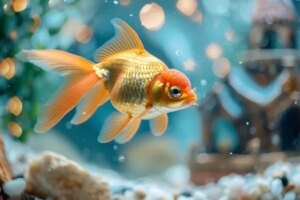
How to Keep Goldfish: Methods and Precautions
More people keep pet fish, and goldfish are a favorite — but beginners lacking experience often fail to keep them alive. Here are methods and tips to raise goldfish and improve survival, for new keepers.

Why Do Goldfish Lose Buoyancy (Swim Bladder)?
Lost buoyancy (swim bladder disorder) is a common goldfish disease many owners meet. Signs include the fish lying on its side or upside down, floating at the surface or sinking to the bottom. This article focuses on the common causes of swim bladder loss in goldfish.

Cat Sinusitis: Causes, Symptoms, and Treatment
Cat sinusitis is common, usually from bacteria, viruses, fungi, or irritants, causing sneezing, nasal discharge, congestion, breathing trouble, snoring, red watery eyes, poor appetite, and lethargy. Severe cases show blood-tinged, foul-smelling discharge and may lead to brain complications. Treatment depends on cause and severity: bacterial cases need antibiotics, viral cases antivirals, plus nasal flushing and a cleaner environment.

Why Did My Aquarium Water Turn White? What to Do
Milky water is usually biological (from overfeeding, unsterilized live food, or poor cleaning letting protozoa boom) or limestone turbidity (from unwashed gravel shedding lime). It clouds the tank, presses out beneficial nitrifying bacteria, stresses fish, and can smell. Fix it by more frequent water changes and cleaning, a UV sterilizer, stronger filter media, added beneficial and nitrifying bacteria or enzymes, and for lime, dilute with water changes, use potassium fertilizer, or add a clarifier and siphon the settled matter.
What are the signs of gastroenteritis pain in a dog?
Gastroenteritis pain signs include arched back, abdominal pain, cramps, shaking, reluctance to move, convulsions, and appetite loss. Also belching, vomiting, diarrhea, dehydration, and sometimes swollen belly or blood in stool. Causes include poor diet, parasites, overeating, or food poisoning. See a vet to diagnose and treat by cause.

Why Is Your Hamster Lethargic, Sleeping Constantly, and Not Eating?
A new hamster may just be settling in or frightened; heat or illness (cold, gut infection, parasites, low sugar, injury) can also cause lethargy and appetite loss. Hamsters are nocturnal, so daytime sleep is normal - constant sleep with other symptoms means trouble.

Why Is Your Budgerigar Lethargic and Sleeping All the Time?
A budgie that is low on energy and sleeps constantly may be reacting to the weather, or it may be lacking attention or falling ill. Watch its eating and overall condition closely; if you spot abnormal symptoms, treat promptly to keep the problem from worsening.
What happens when an Alaskan Malamute is hungry?
A hungry Alaskan Malamute may show physical and behavioral changes: restlessness, longer sleep, fatigue, slow movement, weight loss, rummaging through trash. If hunger lasts too long, it may eat less or refuse food; extreme hunger can cause low blood sugar leading to lowered temperature, pale mucous membranes, weakness, shock. So provide enough food and water.
What happens if a dog goes days without kibble?
Days without food can cause abdominal pain, dehydration, weight loss and low blood sugar, even fatty liver or death. Early hunger brings restlessness; then poor nutrition shows as weight loss, dull coat, weakness; prolonged hunger makes it listless with no energy to play.