Search Results
919 results for “blood loss”

Havana Rabbit
The Havana Rabbit is a popular fur rabbit whose beautiful chocolate- or blue-colored coat makes it prized for pelts and increasingly kept as a pet. Originating in the Netherlands, it is lively and needs careful early-life care and coccidiosis prevention.

Can Hamsters Get Diabetes Too
Yes — hamsters can develop diabetes, most often dwarf breeds, due to genetics and obesity from insufficient insulin. Signs include overeating, excessive drinking, frequent strong-smelling urine, and weight swings. Care centers on a high-protein, high-fiber, low-fat diet that avoids all sugary foods, plus natural blood-sugar-lowering supplements like fenugreek.

How to Wean Kits (Baby Rabbits)
Wean kits to let the doe recover and the young adapt: breeding/Angora/Rex at 30–40 days, meat rabbits at 28–35 days, or before 28 days under intensive 'blood mating'. Use one-time weaning for uniform litters and staged weaning for uneven ones, cut the doe's concentrates first to prevent mastitis, and keep kits in their original hutch 3–5 days post-weaning to reduce stress and losses.

Common Plants and Flowers Harmful to Cats
Curious cats often chew houseplants, and many common ones — autumn crocus, tulip, oleander, hydrangea, snake plant, and more — can poison them. Check your home for these before bringing a cat in, and learn what to do if ingestion happens.

What Symptoms Appear When Ornamental Fish Lack Vitamins?
Like other animals, fish need vitamins for metabolism, growth, and immunity. Here are the deficiency signs for each vitamin and how to supplement them safely.
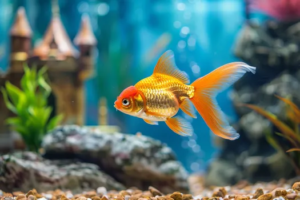
What Feed Should You Give Your Fish? Pros and Cons of Different Fish Foods
Fish foods come in many forms — live animal feeds, frozen feeds, and artificial diets. Here is how they compare, plus the common options in each group, so you can keep your fish healthy and colorful.

Symptoms of Hookworm Infection in Dogs
Mild hookworm infection often shows no clear signs — mainly weight loss, pica and poor digestion. Severe cases bring pale mucous membranes, reduced appetite, vomiting, thin coat, arched back and even bloody stool. This article details canine hookworm disease.

How to Maintain Your Cat’s Dental Health
Tartar and gingivitis are common feline dental problems, usually caused by owners feeding too much soft food and skipping regular teeth cleaning. This article shares practical methods and tips to keep a cat's teeth healthy.

Rabbit Viral Hemorrhagic Disease: Symptoms and Prevention
Rabbit viral hemorrhagic disease (RHD, or 'rabbit plague') is a highly contagious viral infection with up to 100% mortality and no specific cure. Control relies on the semi-annual RHD vaccine, strict hygiene, and disinfecting feed and water contaminated by sick rabbits.

Rabbit Louse Infestation: Signs and Treatment
Rabbit pediculosis is caused by the rabbit blood-sucking louse (Haemodipsus), spread by contact, that bites and itches the skin, causing restlessness, weight loss, and poor coats, worst in kits. Spot the lice and yellow eggs at the fur base; treat with ivermectin injection or coumaphos/trichlorfon/fenvalerate washes, and prevent by quarantine, cleaning, and routine deworming.