Search Results
916 results for “blood loss”
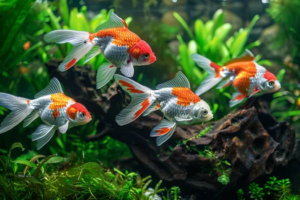
Common Diseases of Blood Parrot Fish and How to Treat Them
White spot, black spot, head-hole disease, and enteritis are all very common in blood parrot fish. To help owners respond better, here are treatments for each of these diseases.
What Happens If a Dog Gets Blood Parasites?
Symptoms: anemia, fever, vomiting, poor appetite, weight loss, weakness. Untreated, it worsens and can be fatal. See a vet if these appear. Infection links to lice, mosquitoes, fleas; prevent with regular preventive deworming and avoid outdoor sleeping where bugs thrive.

What to Do When a Blood Parrot Fish Loses Its Red Color?
A blood parrot cichlid that loses its red color is usually responding to insufficient light, poor water quality, temperature stress, or an unbalanced diet. Restore vivid color by keeping the pH at 6.5–7.0, doing regular water changes, feeding color-enhancing food rich in astaxanthin and carotene, providing 2–3 hours of daily light, and holding the temperature near 28°C with swings under 2°C.
Over two months old, vomiting and bloody stool – what medicine cures it?
Vomiting with bloody stool has many causes; treat by cause. Usually enteritis - bacterial from bad food (anti-inflammatory + anti-diarrhea like cefadroxil, bismuth; light diet) or viral (parvo, corona, with fever, lethargy - screen if unvaccinated). Parasites or bones also trigger; hospital for cause.
Senior unneutered dog, good spirits and appetite, but frequent urination about every half hour, large volume, often on the bed; ultrasound shows no reproductive inflammation, blood tests normal except mild heart failure
Increased urination in senior dogs is common; aging affects urinary and gut function, needing more water to excrete waste, and temperature changes alter intake. If drinking and urinating rise with weight loss, suspect diabetes and check glucose and urine sugar with low-sugar diet. Painful urination or genital licking suggests cystitis or urethritis; congenital or metabolic diseases like diabetes, kidney disease or Cushing's also cause it.
What happens if a kitten has low blood sugar?
A kitten with low blood sugar usually shows rapid heartbeat, lethargy, loss of appetite, slow reactions, lowered temperature, coma, and convulsions. Prolonged hypoglycemia can cause anemia with pale mucous membranes, unsteady walking, and poor circulation, even leading to pancreatitis. Take it to the vet promptly and feed on a fixed schedule.

What Medicine Helps a Dog Recover Quickly from Bloody Stool?
Blood in a dog's stool can stem from parasites, hemorrhagic gastroenteritis, ulcers, pancreatitis, or infections like parvovirus and coronavirus. The key step is a vet exam to find the cause—never self-medicate blindly; supportive care, deworming, or surgery follow the diagnosis.
What to do if a Teddy (poodle) has diarrhea with blood?
It may be an intestinal laceration, parasites, hemorrhagic enteritis, or a virus damaging the gut lining. Give a hemostatic shot first to avoid blood loss, then diagnose. Foul stool with low appetite, vomiting, lethargy, or fever suggests distemper or parvovirus—add antivirals.
Will a dog that scratched its gut and has blood in its stool heal on its own?
Hardly—risk of bacterial infection and severe gastroenteritis. Heavy bleeding means a large laceration and possible death from blood loss. The vet needs to reduce inflammation and stop bleeding; if the object can't pass, abdominal surgery is needed.
What causes a puppy to poop blood?
Blood in stool can come from internal parasites, swallowed foreign objects, or parvo/coronavirus. Bones or hard objects can scratch the gut and bloody the stool. Parasites like trichomonas and coccidia damage the gut lining and cause diarrhea with blood. Unvaccinated puppies have a higher chance of parvo/corona; with fever, lethargy and appetite loss, see a vet.