Search Results
916 results for “blood loss”
Hair Loss and Excessive Urination? Symptoms of Hormonal Imbalance in Cats
Feline hormonal (endocrine) imbalance is not one disease but a sign of disorders such as hyperthyroidism, diabetes, Cushing's syndrome, or hypothyroidism. Hyperthyroidism brings ravenous appetite with weight loss, thirst, and overactivity; diabetes causes the 'three polys plus weight loss' and weak hind legs; hypothyroidism shows as lethargy, weight gain, and a dry, thinning coat. See a vet for blood and urine tests if you notice these signs.
Dog Gastroenteritis with Bloody Stool: A Recovery Case
A 5-year-old dog passed soft stool with a little blood at the end for nearly a week, yet kept a good appetite and energy—pointing to chronic enteritis or gut overload rather than a severe acute illness. With gut-protecting, antibiotic, and probiotic support plus a bland diet, the stool normalized within a day. The case shows how diet and the right care heal a fragile gut.

How High Blood Pressure Affects Dogs
High blood pressure harms a dog's eyes, heart, kidneys, and nervous system. It can cause retinal damage and vision loss, heart enlargement and failure, kidney failure, and stroke or paralysis. Owners should watch for signs and see a veterinarian, who may measure blood pressure and suggest a low-salt, low-fat diet or medication. Risk rises with obesity, age, genetics, diabetes, thyroid or kidney disease, and stress. Prevention includes regular checkups, a healthy weight, calm surroundings, and daily exercise.

Hair Loss (Alopecia) in Dogs and Cats: Symptoms, Causes, and Care
Hair loss in dogs and cats ranges from localized patches due to friction or harsh shampoos to generalized shedding from parasites, fungus, or endocrine disease such as hypothyroidism. Identifying the cause guides the right treatment.

Dog Bloating and Loss of Appetite
Bloating refers to the symptom of a dog's stomach and intestines swelling due to excessive gas production. Flatulence generally refers to the process of expelling excess gas from the body. Gas from flatulence is mainly expelled through the anus.
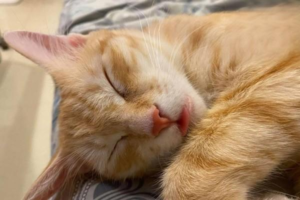
Do Cats Have Blood Types?
Cats have three blood types — A, B, and AB — defined by proteins on the red cell surface. Knowing a cat's type matters because the wrong transfusion can trigger a fatal reaction, so typing and cross-matching always come first.

What Bloody Diarrhea in a Puppy Means
Blood in a puppy's stool is a clear warning sign that something is wrong, from a serious viral infection like parvovirus to parasites, a gut injury, or a simple chill. Watching the stool and the puppy's energy level tells you whether home care is enough or a clinic visit is urgent.

Causes of Anemia in Cats and How to Help
Feline anemia falls into three mechanisms — reduced red-cell production, blood loss, and increased destruction — and the pattern (regenerative versus non-regenerative) guides the workup. From kidney failure and FeLV to parasites and onion toxicity, identifying the root cause is what turns supportive care into real recovery.
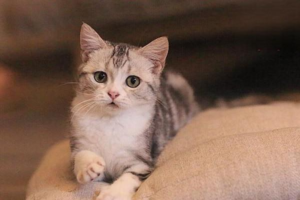
Causes and Types of Cat Anemia
Cat anemia arises from poor nutrition, parasites, leukemia or kidney disease, blood loss, bone marrow defects, and poisons such as onions or rodenticide, and is classified as regenerative (blood loss or hemolysis) or non-regenerative (marrow or systemic disease). A vet must identify the type and cause quickly because most underlying diseases have serious complications.

Dietary Management for Anemic Cats
Cat anemia — whether from poor nutrition, blood loss, parasites, or gut inflammation — needs dietary support: higher-quality or prescription kibble, vitamins (C, B, A, E), and iron-rich protein (chicken liver, fish, beef) 2x weekly. Kittens' mild anemia is often physiological and eases with B12, B6, and iron.