Search Results
92 results for “bird diet”
What Happens When a Budgie Is Overweight?
An overweight budgerigar suffers in health, mobility, and quality of life, and its social behavior and breeding ability can suffer too. Extra weight weakens flight, strains the joints (raising arthritis risk), and invites high blood pressure, heart disease, and fatty liver or diabetes from a high-calorie diet. Obese birds may also be bullied by flock mates and struggle to breed. Owners should manage weight with a balanced diet, fewer high-fat foods, more fiber, and ample exercise space with perches and toys. Only a healthy budgie shows its best colors and enjoys a full, happy life.

How to Tell a Budgerigar’s Age
You can estimate a budgerigar's age from a few clues, though none are exact. Younger birds have paler feather color, clear black pupils, soft skin around the beak, and are lively and active, while older birds show deeper color, cloudier pale pupils, dry beak skin, and a calmer, stiller manner. Adjust care by life stage: chicks need warm, frequent feeding, fledglings need flight exercise and varied food, and adults need balanced diet and regular veterinary checks.
How Long Do Monk Parakeets Live?
The monk parakeet, also called the Quaker parrot, is a popular medium-sized parrot that typically lives 15–20 years, and with good care some reach 25. Actual lifespan depends on diet, environment, genetics, and regular health checks. To help your bird live long and well, provide balanced food and fresh water, ample room to move, a calm and clean home away from harsh noise and light, and routine veterinary visits to catch illness early. Choosing a slightly older, sturdier young bird and meeting its daily needs are the best ways to support a healthy, lengthy life.

Why Your Budgerigar Has Recurring Diarrhea
Recurring diarrhea in budgerigars comes from poor diet, stress, parasite or bacterial infection, or chills. Long transport, fright, or a sudden move stresses the bird and upsetts its gut, usually easing as it settles; probiotics and calming help. Sudden feed changes, overeating, or spoiled food also trigger loose droppings. Parasites, bacteria, or a cold from low temperatures need a vet. A simple home mix of oxytetracycline powder and probiotics can settle mild cases.
Hatchetfish
Also known as the Swallow Fish, Chest-Knife Fish, or Sternoptyx, the hatchetfish is a group of unusually shaped small freshwater fishes. Its body is extremely laterally compressed with a greatly protruding belly, giving it the silhouette of an ancient stone axe—hence the name.
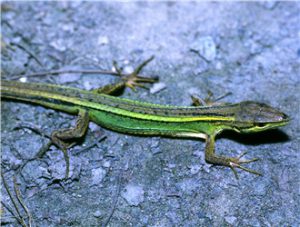
Northern Grass Lizard
A tiny, very easy lacertid lizard of central and eastern China - shy but hardy, basking in grass and dropping its long tail to escape.
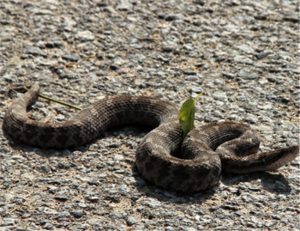
Halys Pit Viper
A small but widespread venomous pit viper across China - cold-hardy and farmed for its high medicinal value, though its bite is dangerous.
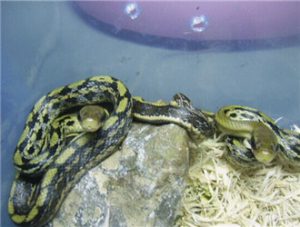
Chinese Beauty Snake
A large, non-venomous rat snake of southern China - the 'black-browed' beauty with four dark side bands. Hardy and a legendary rat-catcher, but fierce when startled.
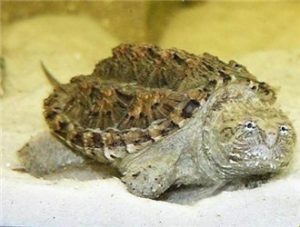
Florida Snapping Turtle
The most heavily-spined of the four Chelydra subspecies - a fierce, heat-loving carnivore from Florida and Georgia. Adults are aggressive; a meat or farm turtle more than a pet.
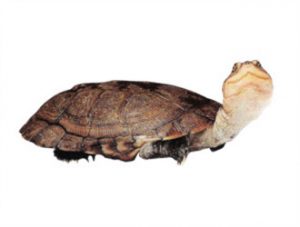
Helmeted Turtle
A common, hardy African side-neck turtle - small, gregarious, a strong carnivore, and a good tropical-community water turtle (no brumation).