Search Results
1815 results for “behavior”

Fire Crest Lizard
The fire crest lizard is a typical arboreal lizard found in the moist forests near waterways of Southeast Asia (Thailand, Malaysia, Indonesia). A carnivorous, insect-eating species, males are large, brilliantly colored, and aggressive, and are best kept singly.

Fox Snake
The fox snake (Pantherophis vulpinus) is a North American colubrid named for the fox-like musk its glands release when disturbed. A harmless, non-venomous constrictor found near the Great Lakes, it is an uncommon and somewhat specialist pet.

Texas Tortoise
The Texas tortoise (Gopherus berlandieri) is the smallest of the gopher tortoises, native to southern Texas and northeastern Mexico. Adapted to arid deserts, it feeds mainly on high-fiber plants and is considered a challenging species to keep, so it remains uncommon in captivity.
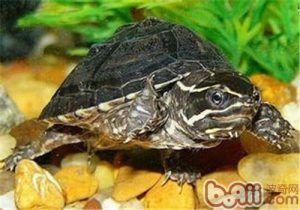
Mud Turtle
The Mud Turtle is not a single species but a group of turtles sharing common traits in body structure or distribution, classified under one family. The family Kinosternidae includes the mud turtles and musk turtles.
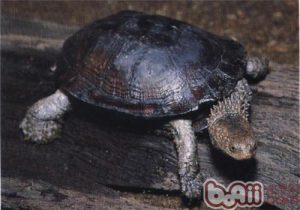
Chaco Side-necked Turtle
The Chaco Side-necked Turtle is a turtle of the genus Acanthochelys, first found in Argentina, Paraguay, and Bolivia. Because side-necked turtles are taxonomically complex, identifying species by appearance alone is difficult, and the Chaco Side-necked Turtle is neither widespread nor commonly seen in the market.

Speckled Cape Tortoise
Like most wild tortoises, the Speckled Cape Tortoise lives sheltered among rocks, but it is unusual in that it enters a dormant state during both excessively hot and excessively cold seasons until conditions become favorable.
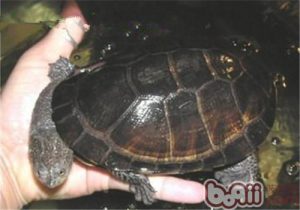
Acanthochelys radiolata (Brazilian Radiolated Swamp Turtle)
The Brazilian radiolated spiny-necked turtle is a rare Brazilian species in the genus Acanthochelys, named for the radiating pattern on its carapace. It is difficult to keep and seldom seen in captivity.

Pyxis planicauda (Malagasy Flat-tailed Tortoise)
The flat-tailed tortoise is found along the west coast of Madagascar, closely resembling the spider tortoise but recognized as a distinct species. It is a shy, mostly herbivorous tortoise that aestivates through the dry season.
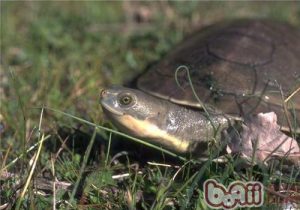
Emydura australis (Australian Big-headed Turtle)
The Australian big-headed side-necked turtle is carnivorous and lives in shallow water, aestivating in pond mud during the dry season. In the wild it consumes large numbers of mosquito larvae, making it beneficial to people, though it is rare and its trade is strictly controlled.

Mexican Fireleg Tarantula
The Mexican Fireleg Tarantula (Brachypelma smithi) is a beautiful but somewhat nervous spider native to Mexico. It prefers to hide in cool, dry, and dark burrows and grows at a relatively slow rate.