Search Results
938 results for “behavior”

Rabbit Feeding Habits and Eating Behavior
Rabbits are single-stomach herbivores that prefer plants, pellets and a little vegetable oil or sweet feed, with animal feed kept under 5%. They practice coprophagy — eating nutrient-rich soft cecotropes at night — and eat mostly after dusk, so sudden feed changes cause refusal and gut upset. Introduce any new feed, including animal protein during pregnancy or lactation, gradually.

Chinchilla Behavior and Diet: Habits and Feeding Guide
Chinchillas are hardy, heat-sensitive rodents from the Andes that need a cool environment (8–22°C) and a hay-based diet. Feed mostly timothy and alfalfa hay to wear down continuously growing teeth, add a little pelleted food and fresh water, and limit sugary snacks.

What Causes Stereotypic Behavior in Hamsters?
Stereotypic behavior in hamsters is a neurological and behavioral disorder triggered by factors such as improper diet, sudden changes in surroundings, insufficient exercise and stimulation, psychological or physiological stress, and inbreeding. The condition cannot be cured but can be managed with medication, so prevention through a stable, comfortable environment and balanced nutrition is the most effective strategy.

Goldfish Moods and Behavior: Reading Their Emotional and Health Signals
Goldfish express distinct moods through their swimming and feeding behavior: active, eager swimming signals contentment, while prolonged bottom-sitting or lying on the side often points to stress, fear, or illness. Because low mood and sickness can look alike, judge a fish by its body color, gill condition, water quality, and appetite rather than behavior alone.

How to Prevent Aggressive Behavior in Cats
Cats bite or swat from fear, play-hunt practice, attention-seeking, or low mood. Give them time and space to settle, play with toys not hands, and ignore then redirect rough play. Build trust slowly so a scared cat learns you are not a threat.
Will Beating a Dog Fix Bad Behavior? Read This First
Scolding or hitting a dog after a mistake does not work — a dog's mind is like a 2–3-year-old child and cannot link delayed punishment to the act, while beatings breed fear and aggression. Stop the behavior in the moment and redirect with positive guidance instead.

What Behaviors Show a Cat Is Possessive?
A possessive cat claims you by rubbing its scent on you, sitting on your feet, licking you, deliberately soiling spots you use, and following you to bed. It's a sign of affection, but if it turns extreme, train it and give daily attention so it doesn't develop bad habits.

Why Do Cats Imitate Their Owners’ Behavior?
Cats may imitate their owners to fit into the home, satisfy curiosity, play and bond, show affection, or seek attention. This mirroring is a normal sign of learning and attachment, and understanding it helps owners respond with patient, better care.
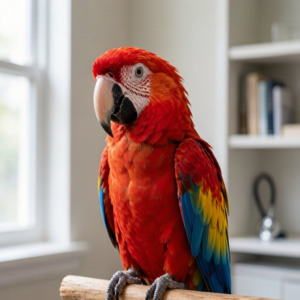
Scarlet Macaw: Traits and Natural Behavior
The scarlet macaw is among the most vividly colored parrots, with a body dominated by brilliant red and accented by yellow, white, and deep blue across the wings and tail. A large, strong black beak easily cracks hard nuts and fruit. These birds live in subtropical and tropical forests, roost high in big trees, and are highly social, gathering in flocks that can top thirty individuals. Understanding their size, diet, lifespan, and breeding needs is essential before taking one home.
How to Stop Destructive Behavior in Cats
Cats may tear things up out of boredom, excess energy, or a bid for attention, so the fix must match the cause. Provide stimulating toys and play, set clear rules and stop bad acts with a sound or spray, and give regular companionship so they don't act out from loneliness. If the damage is deliberate, scold in the moment and withhold attention if it's attention-seeking; for safety-affecting behavior, consult a vet or behaviorist. Enough love, structure, and interaction let a cat thrive.