Search Results
2848 results for “balance”

Feeding a Growing Kitten: Diet and Development
A kitten's body is still developing and grows fast, so balanced, ample nutrition matters. This guide covers the weaning transition, the high energy, protein, calcium, phosphorus, and taurine needs of the growth stage, and how a kitten's weight and maturity progress to adulthood.
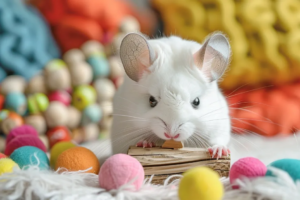
How to Care for a Dwarf Hamster
Hamsters are cute and popular, but newcomers have much to learn. This guide covers the basic gear, how to pick a healthy hamster, and feeding—staple mix, fresh supplements, schedule, and clean water.

Are Rabbits Sensitive to Cold or Heat? Their Ideal Environment
Rabbits dislike both cold and heat: warm them in winter and cool them in summer. This guide explains their cold and heat tolerance and the ideal temperature, humidity, ventilation, and light for a healthy home.
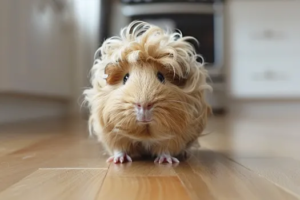
Chinchilla Care Basics
Chinchillas are gentle and non-aggressive but timid and noise-sensitive, needing a quiet home; they live 15–20 years. This guide covers their temperament, lifespan, cage and environment setup, and diet.

How to Tell Real Pregnancy from False Pregnancy in Dogs
False pregnancy is common and mimics real signs closely. This guide covers its causes—hormones, reproductive disease, diet—plus palpation and ultrasound diagnosis, and how to care for a truly pregnant dog.

Is More Meat Always Better for Dogs?
Dogs are meat-based omnivores and meat supports muscle, immunity, coat and skin health—but too much causes calcium imbalance, heat, pickiness, bad breath and obesity. A balanced diet of meat plus vegetables is best.

How to Relieve Constipation in Dogs
Constipation in dogs shows up as straining without producing stool, often caused by a poor diet, low water intake, too many bones, little exercise, or old age. Dietary fixes such as honey, fiber and probiotics usually help, and prevention comes down to better diet, hydration and weight control.

What Are the Symptoms of Chinchilla Constipation?
Constipation is common in chinchillas and can lead to poor appetite, malnutrition, even intestinal blockage. Symptoms are easy to spot — small, hard, dark, misshapen, foul-smelling droppings, and in severe cases appetite loss and lethargy. Causes include poor diet, low water, and stress from over-handling; treatment focuses on hydration, fiber and gentle exercise.
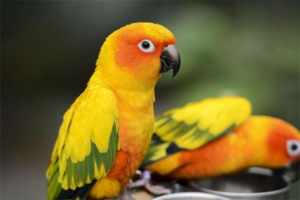
Why Can’t My Parrot Stand, and How to Treat It?
A parrot that can't stand usually has splayed or deformed legs from low vitamin D3 and calcium — congenital (a deficient mother) or from an uneven nest box. Fix the nutrition and, for fractures, splint with foam.
Why Is My Blood Parrot Fish Swimming Lopsided?
A blood parrot cichlid swimming tilted or sinking usually means low temperature, swim-bladder disorder from fat buildup, or enteritis. Raise heat, fix the diet, or treat the tank with antibiotics.