Search Results
2848 results for “balance”

Symptoms and Treatment of Postpartum Depression in Cats
The greatest love is a mother's. Birth is painful, and some mothers fall into depression, withdrawal, and self-doubt afterward—and cats are no exception. This article covers the causes, symptoms, and treatment of feline postpartum depression.
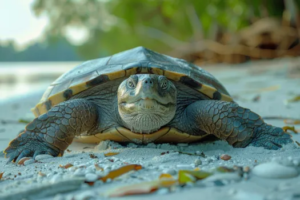
How Long Do Red-Eared Sliders Live, and How Big Do They Get?
Many think all turtles live for centuries, but species differ. The popular red-eared slider typically lives only 10–20 years at home, and even less if care is poor.
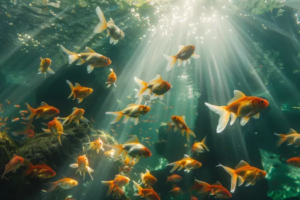
Why Arowanas Develop Droopy Eyes (Drop-Eye)
Drop-eye is a common and stubborn problem in arowana. It is driven by genetics as well as husbandry factors—feeding method, tank height, lighting, and overnutrition—and can be prevented by adjusting these conditions.

Why Your Dog’s Coat Loses Its Shine
A dull coat often signals health or care problems—poor diet, lack of sunlight, bad washing habits, or simply aging. Regular brushing, sensible sun exposure, and supplements like lecithin restore coat health and gloss.

How Much Does an Adult Golden Retriever Weigh, and What If It’s Too Thin?
Adult male golden retrievers should weigh 27–34 kg and females 25–32 kg. If yours is underweight—usually from poor nutrition, parasites, or weak digestion—improve the diet, deworm regularly, and support gut health to help it gain.

Pros and Cons of Winter White (Dwarf) Hamsters
Winter Whites are cheap, lively, and gentle—great for beginners—but short-lived (2–3 years), plainer-coated, and sensitive-gutted. Feed a balanced diet, fresh water, and limited treats and produce to keep them healthy.

Why Is a Golden Retriever’s Nose Losing Its Color?
A fading nose can be genetic, from low light, season, injury, lack of minerals, aging, parasites, or hormones. Most are harmless; add sun, minerals, deworming, or fish oil, and rule out illness if paired with skin signs.

How to Improve Your Cat’s Appetite
Low appetite in cats can stem from heat, pickiness, rich food, or poor digestion. Vary the diet, add digestive enzymes or probiotics, encourage play, and switch to tastier food to bring appetite back.

Why Is My Winter White Hamster Turning White?
Winter Whites naturally turn white—they're literally 'winter whites' whose coat lightens with shorter daylight, a harmless genetic trait. Rule out skin disease with baths, a low-salt diet, and good cage hygiene.

What to Feed a Nursing Dog to Boost Milk Production
After whelping, a mother dog needs calcium and protein—goat milk, crucian carp soup, bone broth, canned food—plus probiotics for gut health and mammary massage to stimulate flow. Avoid pork liver, which lowers supply.