Search Results
2848 results for “balance”

What to Do When a Dog Vomits Right After Eating
A dog that throws up right after eating may have eaten spoiled food too fast, have gut trouble or worms, or carry a virus such as distemper or parvovirus. Soften kibble for puppies, slow fast eaters with a bowl, and see a vet at once if a viral infection is suspected.

Symptoms and Treatment of Kidney Failure in Dogs
Chronic kidney failure is common in older dogs and is the late stage of kidney disease, usually ending in uremic syndrome. It can't be cured, but medication, a kidney prescription diet, and managed fluids can add months or years of quality life, so senior dogs need regular checks.

Why Dogs Cry and Tear Up
A dog's tearing usually signals discomfort — eye infection, allergy, blocked tear ducts, or just a too-salty diet that the tear glands work to flush out, leaving stains. Rule out disease with a vet check and feed a light, natural diet with veggies and egg yolk to cut the tearing.

Symptoms of Feline Enteritis and What to Feed
Cat enteritis brings diarrhea and sometimes vomiting or incontinence; stop feeding if vomiting to avoid worsening it. Treatment is short fasting, then anti-inflammatories, antiemetics, and rehydration, with low-fat, easily digested food such as a gut prescription diet once eating resumes.

Does the Old English Sheepdog Shed? How to Manage It
The Old English Sheepdog is a heavy-coated breed that sheds mainly at coat-change seasons, and most shedding is normal with regular grooming. Human shampoo, over-bathing, low sunlight, poor diet, and excess salt cause extra loss — and red bumps with itching signal skin disease needing a vet.
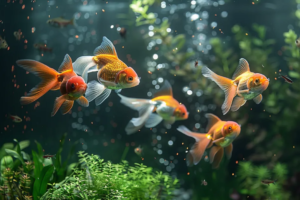
How Often Should You Feed Guppies, and What Keeps Them Healthy?
Guppy feeding frequency depends on age: tiny fry need 3–4 small meals a day, month-old juveniles 2–3, and near-adult fish 1–2, always with only what they finish in a few minutes to protect water quality. Diets shift from crushed egg yolk and brine shrimp for fry to balanced flakes for adults, with cooked vegetables as a supplement.

What to Do When Your Cat Has Hard, Dry Stools
Hard, dry stools usually come from a too-dry diet and too little water, and left alone they harm digestion. Fix them by adding vegetables and fruit, coaxing more water (a drop of honey helps), topping up vitamins, varying the diet beyond one kibble, clearing hairballs, and adding gut probiotics.
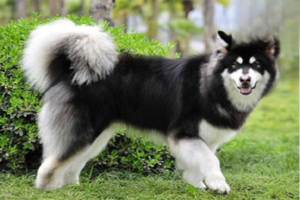
Why Does My Dog’s Poop Smell So Bad?
Dog stool is naturally a little smelly, but truly foul poop signals a digestive problem — rich or messy food, weak gut function, constipation, spoiled food, or even parvovirus or coronavirus. First simplify the diet and check the kibble for spoilage, then add water, exercise, and probiotics; if appetite, vomiting, or lethargy appear, see a vet.
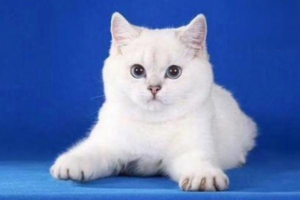
How to Help an Overweight Cat Lose Weight
An obese cat faces diabetes, heart strain, and arthritis from the extra load. Slim it down with scheduled small meals, a cut in kibble and meaty toppers, more play (a wand toy for 15–30 minutes daily), and a high-fiber weight-management food that satisfies without many calories. If obesity brings concerning symptoms, see a vet.

Is My Cat’s Drooling a Sign of Hypersalivation (Ptyalism)?
Frequent drooling isn't automatically hypersalivation (ptyalism)—that condition brings uncontrolled salivation soiling the front, plus rapid weight loss, and usually arises from oral disease, systemic illness, or poisoning. Causes range from mouth inflammation and stress to spoiled food and weak immunity. Keep cats off rotten food and well-nourished to lower the risk.