Search Results
2848 results for “balance”

What Makes a Healthy Rabbit Diet?
A rabbit's gut is delicate, so a complete commercial pellet should form the base of the diet, supplemented with hay, washed vegetables, and fruit given in moderation. Avoid irritants, spoiled food, and toxic items like chocolate or moldy feed, and provide chews to keep teeth from overgrowing.

Why Dogs Shouldn’t Be Left Home Alone for Long Periods
Leaving a dog home alone too long strains both body and mind. Physically, dogs that only eliminate outdoors will hold their urine, risking urinary stones and infections; puppies and seniors are especially vulnerable. Psychologically, prolonged isolation can trigger separation anxiety and depression, so a safe space, calm comings and goings, and engaging toys help keep your dog stable.

How to Treat Ear Mites in Rabbits
Ear mites are contagious parasites that make a rabbit tilt its head, scratch, and lose fur around the ears. Isolate the rabbit, disinfect its environment, and clean the ear canal with softened swabs plus a rabbit ear solution; steady cleaning and good nutrition finish the job.
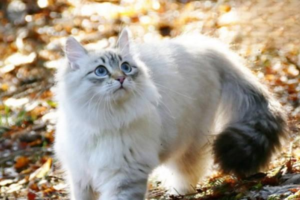
Why a Cat Still Has Blood in Its Stool After Probiotics
Blood in a cat's stool usually means intestinal parasites or gastroenteritis (often feline coronavirus), not a probiotic deficiency. Deworm and sanitize for parasites; use an anti-diarrheal plus probiotics for gut inflammation. If bleeding persists despite a quality live probiotic, the case is too severe for probiotics alone.

What to Do When Your Cat Gets Overweight
Cat obesity — over 15% above ideal weight — strains the heart and joints, raises anesthesia and diabetes risk, and shortens life. Identify it with body-condition scoring, then manage it through controlled, balanced meals and more exercise.

Three Steps to Handle Dog Ear Mites
Dog ear mites need prompt care or they lead to otitis and hearing loss. Clean the outer ear, apply an anti-mite ear solution, isolate the dog and disinfect the home, and prevent recurrence with regular checks and dry ears.

Kitten Cold: Symptoms and the Right Response
A kitten 'cold' is usually an upper respiratory infection — sneezing, runny nose, fever, watery eyes — driven by chill and weak immunity, and sometimes herpes or calicivirus. Keep it warm, boost nutrition (lysine, taurine), and see a vet if temperature tops 39.5°C.

What Causes Bladder and Urethral Stones in Dogs?
Bladder and urethral stones are common in middle-aged and senior dogs, especially males, and link to a single-protein diet, vitamin A deficiency, low water intake, urinary infection, and anatomy. Severe cases need surgery to remove the stones, while prevention focuses on balanced diet, fresh water, and regular exercise.

How Canine Infectious Hepatitis Spreads and How to Prevent It
Canine infectious hepatitis spreads through the saliva, urine, and feces of sick or recovered carrier dogs — the virus survives in the environment for 6–9 months, with unvaccinated puppies at highest risk. Vaccination from 45 days of age plus strict hygiene and isolation are the keys to prevention.

What to Do If a Dog Keeps Vomiting After a Cold
A dog that vomits with a cold — dry heaves or clear mucus plus cough, runny nose, and sneezing — usually just needs warmth, pet cold medicine, probiotics, and broth. But unstoppable vomiting can signal viral disease, gastroenteritis, or parvovirus and needs immediate veterinary care.