Search Results
2848 results for “balance”

How to Prevent Recurring Gastroenteritis in Dogs
Recurring dog gastroenteritis comes from primary causes (bad food, drug reactions, irregular feeding) or secondary ones (internal parasites and viruses like distemper, coronavirus, and parvovirus). Prevention centers on keeping trash away, noting food allergies, small frequent meals with a gradual 7-day food switch, timely vaccination, and regular deworming (monthly for raw-meat diets).

Why Does My Dog Have Soft Stool?
Soft stool in dogs almost always traces back to the gut — a chill or, more often, a diet slip. The usual suspects are too-frequent food changes, intestinal parasites, a greasy diet, active gastroenteritis, and simple overeating. Fixes range from a gradual 7-day food switch and deworming to probiotics, a lighter diet, and a 24-hour fast for binges — and human food should stay off the menu.

Dietary Don’ts for Beveren Rabbits
Beverens are herbivores that thrive on hay and pelleted feed — never human food. The key mistakes are abrupt feed changes, irregular roughage (which can cause cecal impaction), and a single unbalanced feed; aim for timed meals and a measured nutrient mix.
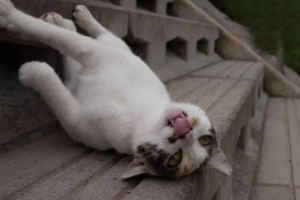
Essential Nutrients in a Cat’s Daily Diet
Cats need protein, fat, and vitamins to stay healthy—protein supplies essential amino acids like taurine that cats cannot make themselves. Fat is their main energy source, while B-vitamins and vitamins E and K support metabolism, liver health, and appetite. A balanced diet is the foundation of disease resistance.
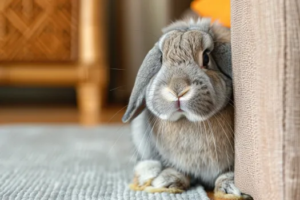
How to Improve a Rabbit’s Feed Conversion Rate
A better feed conversion rate lowers the cost of raising rabbits. Balance energy against other nutrients (intake falls as energy rises), apply digestible-amino-acid balancing, keep vitamins and trace elements in equilibrium to avoid deficiency disease, and use sound processing—right particle size, good pelleting, even mixing, and proper storage.
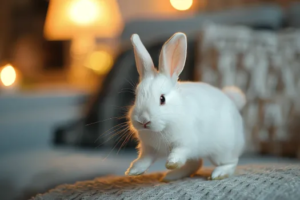
What to Do When a Rabbit Has a Poor Appetite
Rabbits normally eat well, so a drop in intake usually means something's wrong. Causes include a sudden feed change or low mood, and—more seriously—gut bloat, which shows as a swollen, painful, drum-tight belly. Mild cases respond to vegetable oil, garlic-vinegar, or radish juice; severe bloat needs a vet to draw off the gas.

What to Do About an Abscess on a Rabbit’s Eyelid
A healthy rabbit shouldn't develop an eyelid abscess, so treat it promptly before it worsens. Causes are irritants (dust, paper), poor diet, or fungal skin infection spreading to the eye. Flush irritants with saline, use rabbit eye drops for diet-related cases, and treat any underlying skin fungus at the same time.

Foods Hamsters Can Eat (Part 1)
Hamsters are easy to feed and not picky, but some human foods need care. This guide covers millet, banana (better as chips), peach, plum, and jujube—all in small amounts alongside a proper seed mix, since too much water or sugar brings diarrhea or kidney strain.
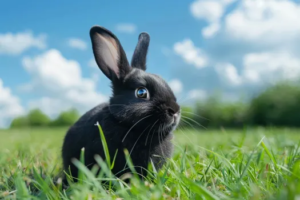
Symptoms of Stomatitis in Rabbits
Rabbit stomatitis shows as red, swollen gums, mouth blisters, and mucosal ulcers that make chewing painful, so the rabbit drools, stops eating, and can waste away or dehydrate. Soften the diet, keep the mouth clean, and—above all—prevent it by avoiding a monotonous diet that lacks B vitamins.
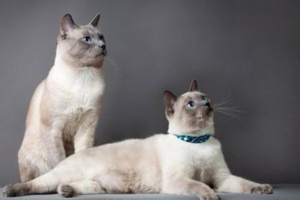
Why Does a Cat Get Diarrhea After a Bath?
Post-bath diarrhea usually comes from poor digestion, stress, or getting chilled. Mild cases respond to probiotics and a calm, warm space; if it turns watery and frequent, see a vet to rule out gastroenteritis, parasites, or panleukopenia—especially in unvaccinated cats, where dehydration and low blood sugar can be fatal.