Search Results
2848 results for “balance”

How to Prevent Rabbit Gastroenteritis
Rabbit gastroenteritis can kill within hours to days, especially in kits, so prevention beats treatment. Feed clean, regular, balanced meals; avoid spoiled or frozen food and over-rich concentrates; treat bloat early with vinegar or herbal tinctures; and keep the hutch dry and the rabbit moving to avoid constipation.

Essential Supplies to Prepare Before Getting a Cat
Setting up before a cat arrives saves stress. Must-haves: a proper cat food (match its current brand, plus kitten formula and bottle if it's unweaned), a litter box with high-sided, low-entry design and tofu litter, ceramic or stainless bowls with a running-water fountain, a coat-appropriate brush, and a deworming plan (internal every 1–3 months, external monthly for outdoor cats).

Why Your Cat’s Eyes Water and Produce Discharge
Increased eye discharge in cats is usually caused by diet-related imbalance, foreign objects, physical trauma, or viral and bacterial infection. For simple discharge, keep the eyes clean with saline and improve hydration and diet; for inflammation, use vet-recommended antibiotic eye drops and keep your cat in low light.

Can a Healthy Lifestyle Extend a Dog’s Life?
A healthy routine genuinely lengthens a dog's life by keeping disease at bay. Watch the weight (obesity invites heart and joint disease), feed a balanced, vet-grade diet with no salt or human seasoning, stay on top of vaccines and year-round parasite prevention, exercise daily, and keep the home clean.

Symptoms of Gastroenteritis in Rabbits
Gastroenteritis hits rabbits of any age but kills many kits; catch it early or it's often fatal, so prevention beats treatment. Signs are foul, watery diarrhea with mucus, blood, and undigested feed, a soiled rear, a fever that then crashes below normal, and later lethargy, dehydration, and sunken eyes. Prevent with strict diet and hygiene; treat with antibiotics, anti-diarrheals, and fluid therapy.

Types of Rabbit Feed
Rabbit feed falls into three groups — concentrates (pellets), roughage (hay), and succulents (vegetables, roots). Pellets cover energy and protein; hay supplies the fiber rabbits need most; succulents add water and vitamins but cause diarrhea if overfed. Wash and drain greens, and treat them as occasional, not staples.

Why Your Dog’s Eyes Are Bloodshot and What to Do
Bloodshot eyes usually come from a stray particle, an infection or inflammation, or dietary 'heat.' Remove the irritant and use pet eye drops for inflammation, while boosting water intake and switching to a lighter diet for heat-related redness.

Treating Ovarian Cysts in Dogs
Ovarian cysts in dogs come in four types—follicular, luteal, epithelial tubule, and rete ovarii—with the first two most common, usually from hormonal imbalance and more frequent in older dogs. Diagnosis uses hormone tests and imaging, and treatment ranges from watchful waiting to hormone therapy or spaying (ovariohysterectomy).
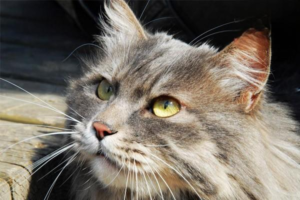
Can Cat FIP Spread to Humans?
Feline infectious peritonitis (FIP) does not spread to people or, by current evidence, between cats—it is not considered a contagious disease. It arises when a cat's coronavirus mutates, driven by genetics, stress, and environment; prevention focuses on reducing stress and supporting immunity.

What Spay/Neuter Surgery Is — and Why Cats Should Be Neutered
Spay/neuter is a routine surgery that removes a cat's reproductive organs to prevent breeding and curb hormone-driven behavior. Males get a quick scrotal incision; females need a flank or abdominal incision to remove the uterus and ovaries. The benefits include fewer stray cats, lower reproductive-disease risk, and far less spraying, yowling, and fighting.