Search Results
2848 results for “balance”

Don’t Let Summer Ruin Your Dog’s Ear Health
Hot, humid summers spike ear disease, especially in drop-eared breeds like Cockers, Beagles, and Basset Hounds. The four usual offenders — outer and inner ear infections, fungal overgrowth, and ear mites — all need a vet's lab confirmation and proper pet medication, never human products; the fix is prevention: dry, clean ears and regular checks.

What to Do When Your Pet Cries at Night
Nighttime vocalizing usually traces back to illness, a sudden change in routine or surroundings, or mating behavior, so finding the cause comes first. Calming measures include a high-calorie snack before bed, play to burn off energy, steady companionship, keeping familiar items in place, topping up trace elements, and a vet check for older pets.
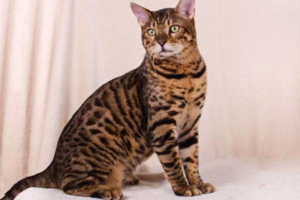
Why Your Cat Sheds So Much in Spring
Heavy spring shedding is usually normal as the winter coat drops, but loss that happens off-season can signal poor nutrition, a hormonal imbalance, or parasites and fungal infection. Daily brushing with a little massage is the best remedy, because healthy skin is what keeps shedding under control.

How to Clear Up Cat Acne (Black Chin)
Cat acne is a common skin condition that ranges from tiny black specks to swollen, infected follicles, and some cases clear up on their own while others keep coming back. Mild cases respond to warm compresses and hydrogen peroxide, while a plastic bowl and greasy food are the usual triggers that a stainless or ceramic dish and daily washing will fix.

Why Dogs and Cats Vomit After Eating Dry Kibble
Dry food is made by extrusion, which puffs each piece so it swells sharply once it meets stomach fluid — a belly full of expanding kibble is a common reason dogs and cats bolt their food and then vomit. Soaking the food softens it and eases the gut, while slow-feeder bowls, split meals, and probiotics help dogs with sensitive stomachs.

Cat Chin Acne (Feline Folliculitis): Symptoms and Treatment
The "black chin" is feline folliculitis — overactive sebaceous glands clogging the pores, essentially the same as human acne. Most cases are mild and clear up with saline wipes, a diet lower in oil, and swapping plastic bowls for ceramic or stainless steel; neutering also helps by steadying hormone levels.

How to Feed a Kitten: Schedule, Diet, and Foods to Avoid
Kittens need frequent small meals of quality kitten food — at least three a day under six months — with fixed times and a clean, quiet spot to eat. Never give cow's milk (most cats are lactose intolerant), cooked bones, chocolate, grapes, onions, or raw meat and eggs; switch to adult food gradually over 5 to 7 days around the first birthday.

Common Dog Paw Problems and How to Treat Them
A dog's paw is a complex, useful structure — shock absorption, sweating, warmth, digging, self-defense — but its many folds and hairs trap debris, so it easily reddens, inflames, sheds fur, or even ulcers and oozes. The main paw troubles are injuries from sharp objects, cracked pads, bacterial or fungal infection, and eczema. Trim nails, wipe paws after walks, and see a vet for deep or infected wounds.

How to Avoid Static Shocks with Your Cat in Winter
Winter static on a cat comes from dry air (especially with the heater on), friction, and acidic blood from poor diet — and a shock can make the cat think you swatted it. Ease it by applying hand cream, wiping the coat with a damp towel, running a humidifier to keep humidity at 50–60%, using pet anti-static spray or comb, improving the diet with amino acids and fatty acids, and touching a table or wall first to discharge yourself.

Adjusting a Kitten’s Diet During Teething
Teething kittens eat poorly because swollen gums hurt, so switch to soft, easy-to-chew foods — soaked kibble, canned food, nutritional paste, or goat milk — and watch for retained 'double' canine teeth. Keep nutrition up so the kitten doesn't fall behind.