Search Results
195 results for “bad habits”

Narrow-bridged Musk Turtle
The Narrow-bridged Musk Turtle (Claudius angustatus), nicknamed the king of the mud-and-musk turtles, is an expensive, fierce-tempered and highly entertaining aquatic turtle. It tolerates deep water but can still drown.
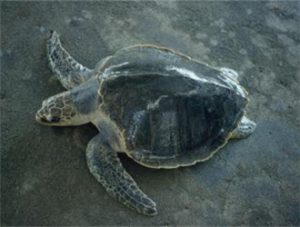
Olive Ridley Sea Turtle
The Olive Ridley (Lepidochelys olivacea) is the smallest and most abundant of the sea turtles, ranging across the warm Pacific from the Gulf of California to Chile and north to southern Japan. Once heavily taken for food, its numbers have fallen, and it is now a Class II protected species in China.
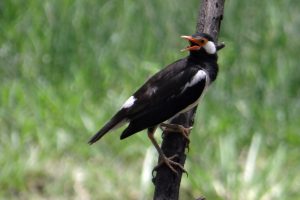
Crested Myna
The crested myna (Acridotheres cristatellus) is a common and uniquely Chinese cage bird, all black with a yellow bill and feet and white wing patches that form a figure-eight in flight. Highly intelligent and a great mimic, it is a favorite talking bird.
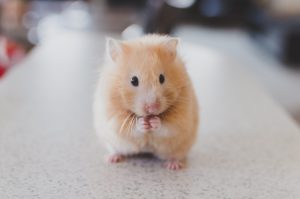
Pudding Hamster
The Pudding Hamster is a popular pet variety named for its pudding-yellow coat. Gentle and easy to handle, it is heat-sensitive, territorial, and can nip — so wash your hands before handling and never co-house it. It lives 1–3 years and needs steady 20–28°C and careful, chew-safe feeding.

Standard Gray Chinchilla
The Standard Gray Chinchilla — the original 'Totoro' — is a vegetarian rodent from the high Andes of South America. Gentle, clean, nearly odorless and long-lived (8–10 years), it needs a cage, dust baths, constant chewing material, and careful protection from heatstroke.
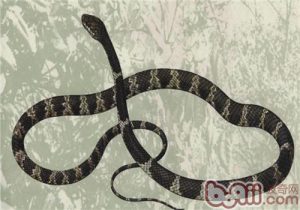
Hydrophis cyanocinctus
The blue-banded sea snake (Hydrophis cyanocinctus) is a venomous marine snake found along the coasts of East and Southeast Asia, distinguished by its black banding and strong swimming ability. It feeds mainly on fish and gives birth to live young in the open sea.
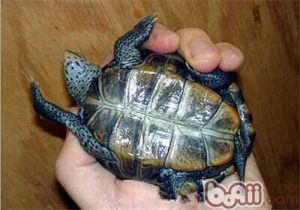
Florida East Coast Diamondback Terrapin
The Florida East Coast Diamondback Terrapin (Malaclemys terrapin) is a dark, subdued brackish-marsh turtle from Florida's Atlantic coast, uncommon in the trade. Unique among turtles, it thrives in brackish water near seawater salinity, so it is best kept in slightly brackish conditions.
What is dog positive training?
Positive training reinforces good behavior with rewards rather than punishing bad behavior, helping dogs learn commands willingly.
Why Can Dogs Hold Their Bowel Movements?
Dogs can hold their stool thanks to the anal sphincter at the end of the rectum, a muscle that lets them control the timing of defecation. Holding it too long is unhealthy and may cause intestinal problems.
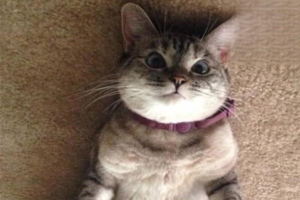
How to Choose High-Quality Cat Food
As a seasoned owner, to please my cat I once tested over 20 cat foods, collecting and analyzing their formulas. Facing uneven quality, many owners struggle to choose; here are methods to pick cat food.