Search Results
195 results for “bad habits”

Why Does Your Cat Become Less Affectionate as It Grows Up?
A cat may grow distant for many reasons — physical and mental changes, a settled environment, weak early socialization, a naturally independent character, or new habits. It doesn't mean the cat likes you less; cats show love differently, like resting quietly by you. Understand its nature, keep giving care, and watch its health.

Springer Spaniel: Pros and Cons
Springer Spaniels are friendly, smart, energetic, alert, and loyal — great family and working dogs — but they need regular grooming, high exercise, ear care, and firm training, and can be overly exuberant, stubborn, or prone to hip dysplasia. Match the breed to your lifestyle before committing.
How to Stop Your Cat from Peeing on the Bed
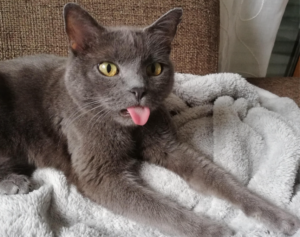
Finding a yellow wet spot on the bed is every cat owner's nightmare. Before anything else, rule out disease: feline lower urinary tract disease (FLUTD) makes urination painful, so cats link the box with discomfort and seek softer spots like the bed. If peeing comes with straining, blood, or constant licking, see a vet. Non-medical causes are a disliked litter box (bad location, poor hygiene, wrong litter, too few boxes in multi-cat homes) and stress or anxiety. Fixes: upgrade the box, scoop twice daily, follow the n+1 rule, ease anxiety with play and pheromone spray, and remove the urine scent with an enzymatic cleaner plus detergent. Most cats return to normal in 2-3 weeks.

Why Is My Dog’s Tooth Loose?
A loose tooth in a dog can be perfectly normal or a sign of trouble. Puppies naturally lose their baby teeth as adult teeth come in, while senior dogs gradually lose tooth stability as the surrounding periodontal tissue weakens, a change that cannot be reversed. In adult dogs, however, a loose tooth is more often caused by dental disease such as gingivitis, periodontitis, or tartar buildup. Poor diet also plays a role, since soft or moist food leaves more residue that feeds bacteria. Finding the underlying cause is essential, because loose teeth from disease need veterinary cleaning, antibiotics, or extraction to prevent wider infection.

How to Stop Destructive Behavior in Cats
Cats may tear things up out of boredom, excess energy, or a bid for attention, so the fix must match the cause. Provide stimulating toys and play, set clear rules and stop bad acts with a sound or spray, and give regular companionship so they don't act out from loneliness. If the damage is deliberate, scold in the moment and withhold attention if it's attention-seeking; for safety-affecting behavior, consult a vet or behaviorist. Enough love, structure, and interaction let a cat thrive.

Why Can’t My Dog Fall Asleep?
A dog that can't sleep is usually dealing with physical discomfort, emotions, or habits. Pain or unease—made worse by a room that is too hot or cold, noisy, or with a poor bed—keeps a dog awake, so give a comfy, quiet spot and a soft pad. Anxiety, stress, or fear also block sleep; calm and reassure a tense dog, keep its environment free of frights, and add play and exercise to burn off stress. Habits matter too: a heavy late dinner causes night waking, so feed a moderate evening meal and keep a regular bedtime to set its internal clock. If sleeplessness is frequent, see a vet to rule out pain, breathing trouble, or frequent urination.

Why Is My Cat’s Tooth Wear So Severe?
Heavy tooth wear in cats can be normal or a warning sign. There are two kinds: physiological wear from chewing, biting, and tooth-on-tooth contact—an unavoidable part of aging that does no harm—and pathological wear from poor bite alignment, bad chewing habits, or over-brushing that wears teeth unevenly or excessively. Causes include under-developed tooth structure, a hard-food or inappropriate-chewing habit, and age. When wear is fast or extreme, it may point to tartar or gingivitis, which need a vet. Protect your cat's mouth with a balanced diet (some dry and some wet food, but no constant hard chewing), regular oral checks, and proper brushing with cat-safe toothpaste and a suitable chew toy.

Will Hitting a Cat Stop It From Peeing on the Bed?
Many cats develop a habit of urinating on the bed, and the strong odor of cat urine makes the smell linger even after cleaning, causing real frustration for owners. Some pet parents believe a quick swat will teach a lesson, but punishment rarely works. Most cats that are hit will hold a grudge and may urinate on the bed even more, or act out with scratching, sofa damage, or nighttime attacks. In truth, bed-wetting usually signals an underlying issue—heat cycles, stress, or a urinary or reproductive disease—not defiance. The right approach is to rule out medical problems, consider spaying or neutering, check the litter box, clean accidents thoroughly, and reward correct toileting. Guidance, care, and positive reinforcement, rather than punishment, are what truly resolve the behavior.

Cat Food Ingredients to Avoid, No Matter How Cheap
Not all cat food is created equal, and the ingredient list is the single most reliable way to judge quality. Some products hide preservatives, flavor enhancers, and fillers that can harm your cat over time — from potential carcinogens like BHA, BHT, ethoxyquin, and TBHQ to appetite stimulants such as MSG and pyrophosphate. Other risky additives include propylene glycol, nitrites, synthetic vitamin K3, and thickening gums, while artificial colors and sweeteners add sugar and nothing of value. Because cats are obligate carnivores, diets overloaded with corn, wheat, or soy not only lack nutrition but may trigger allergies and even aflatoxin exposure. Learning to read the label helps you protect your cat from low-grade food, no matter how attractive the price.

How to Prepare Your Cat for Car Travel
Taking a cat out by car - for a vet visit, a move, or a trip - is stressful for both pet and owner. Most cats associate the carrier with bad experiences, which triggers fear and anxiety. The good news is that with preparation you can make travel far easier. This guide covers three areas: getting your cat comfortable with the carrier, preventing travel stress and motion sickness, and what to do on the day of the trip. With the right carrier, familiar scents, pheromones and a little fasting before departure, car rides can become calm and safe.