Search Results
37 results for “autumn dog care”

Dark Green White-eye
The Dark Green White-eye is a very common member of the white-eye family, beloved by many bird enthusiasts for its pleasant song and beautiful plumage. It is distributed across many Asian countries as well as northern Africa.

Gray Chestnut Rabbit
The Gray Chestnut Rabbit was originally bred for high-quality fur but is now also kept as a pet. An artificial breed with a coat close to that of a wild rabbit—unusual among fur breeds—it was developed in France by breeder M.J. Dybowski, first shown in 1913, and is today a rare breed on the brink of extinction.
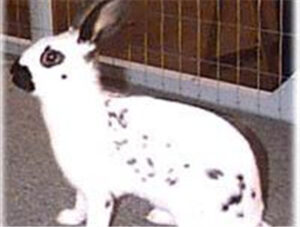
English Spot Rabbit
The English Spot Rabbit, also called the Spot Rabbit or British Spot Rabbit, is an ancient large pet rabbit resembling a Dalmatian dog with black spots across its white body. Not common in China, it needs attentive foot and ear care to stay healthy.

Serinus canaria
The Canary (Serinus canaria) is prized for its beautiful, varied plumage and sweet, melodious song, and is regarded in China as one of the most elegant cage birds. Wild canaries differ noticeably in color from captive-bred ones.
How long does a Golden Retriever’s shedding period last?
Puppy and adult Goldens shed differently. A puppy sheds its puppy coat around 3 to 4 months, growing dense fur that lasts until about 7 months. Adults shed twice a year, in spring and autumn, which is normal; just brush often. Heavy shedding outside these times needs attention and possibly a vet check.

Think Twice Before Getting a Chow Chow — Unless You Can Live With These Traits
Chow Chows are an ancient, lion-coated breed that is clean, quiet, and loyal, but they are far from easy to keep. Their stubborn independence makes training and walks a challenge, and as a short-nosed breed they overheat easily, drool, snore, and shed heavily while needing costly, careful grooming. They suit calm, experienced owners with patience, space, and budget — not first-time dog parents seduced by the cute 'grumpy' face.
Symptoms of Canine Leptospirosis
Leptospirosis is a serious dog disease caused by Leptospira bacteria - also called infectious jaundice or hemorrhagic jaundice - that spreads through skin, mucus membranes, and contaminated food or water, often peaking in summer and early autumn. Two forms stand out: one brings sudden fever, vomiting, dark bile-colored urine, yellow gums, and bleeding, while the other causes vomiting and bloody diarrhea with mouth ulcers and a death rate of 60-80 percent in acute cases. Diagnosis uses microscopy, culture, and blood tests, and treatment pairs antibiotics with liver and fluid support. Clean housing, rodent control, quarantine, and the two-type vaccine are the key preventives.
Canine Parvovirus: Symptoms and Treatment
Canine parvovirus is an acute, highly contagious infection that hits puppies hardest and carries a high death rate. It shows as either severe hemorrhagic enteritis or sudden heart failure, and because mixed infections are common, quick recognition matters. Supportive care, fluids, and vaccination are the cornerstones.
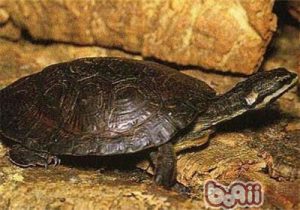
Phrynops williamsi
Phrynops williamsi, also called the Masked Toadhead Turtle, is a side-necked turtle from South America that loves basking and is semi-aquatic in the wild. Lively and relatively easy to keep, it remains uncommon in captivity and is found mainly as wild-caught individuals.

Emydoidea blandingii (Blanding’s Turtle)
Blanding's turtle is a semi-aquatic turtle of the Great Lakes region, gentle and cold-hardy, with a smooth black helmet-shaped shell and a yellow hinged plastron marked with black blotches. It is omnivorous and adapts well to captivity.
- « Previous
- 1
- 2
- 3
- 4
- Next »