Search Results
22 results for “autumn dog care”

Autumn Dog Care: Nutrition, Immunity, and Energy
As autumn cools, dogs grow their winter coat and need more coat-building nutrients — protein, fatty acids, B vitamins. Boost immunity with water and vitamins, and add energy-rich food (but not too much) to prep for winter.
How to Care for Your Dog in Autumn
Autumn's cool, dry, changeable weather feels great to us but asks for a few adjustments in dog care. Fatigue from summer, dropping temperatures, and dry air all affect a dog's body, coat, and digestion. A few simple habits around food, grooming, exercise, and disease prevention keep your dog comfortable through the season.
Autumn Care Tips for Your Dog
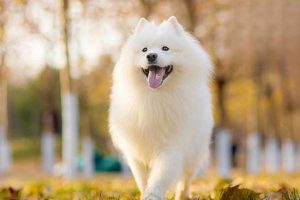
Autumn means more parasites, bigger temperature swings, coat change, and easy chills. Stay on top of internal and external parasite control, add a warm blanket and balanced nutrition, and keep a probiotic handy for loose stools.

Autumn Joint Care for Dogs: What to Watch
After a hot summer, dogs tire easily in autumn — and extra exercise to rebuild strength can strain joints. Keep weight down, trim nails, warm the bed, and avoid hard running; joint supplements and a vet-approved plan help arthritic dogs.

Why Does Your Dog Have More Dandruff
Increased dandruff in dogs has many possible causes: dry climate, over-bathing or harsh products, low fat intake, poor nutrition, too much dietary salt, or an underlying skin condition. The right response depends on the trigger. In dry weather, add water and a soothing moisturizer; with a skin disease, a proper diagnosis and treatment are needed. Because the skin reflects overall health, identifying the root cause is the key to relieving flaky, itchy skin and keeping the coat healthy.
Care Tips for Keeping a Border Collie
The border collie is the smartest dog breed, bright enough to outthink its owner, so patience and skill matter in training. As a large, high-energy dog it needs daily exercise, such as frisbee, to burn off energy and avoid destructive behavior. Groom its dense coat twice a day in shedding seasons, train with rewards not force, watch for hereditary issues like eye and hip disease with regular checks, feed by life stage, and deworm and vaccinate while avoiding Collie-sensitive drugs.
What Is Pseudorabies in Dogs
Pseudorabies, also called Aujeszky's disease, is an acute infection of dogs, cats, and other livestock caused by the pseudorabies virus. Dogs usually catch it by eating infected pig or rat tissue, and the hallmark is intense, localized itching. It is almost always fatal in dogs, so prevention and not letting a sick dog bite people are what matter.
Why Is My Dog’s Nose Dry?
A dry dog nose can come from dry weather, lack of water after exercise, fever, or skin infection. If the nose is dry and flaking, first check whether the dog just exercised hard and consider the weather. If there are no other signs, add water, raise room humidity, and watch for two to three days. But if dryness comes with low spirits, poor appetite, or a rising temperature, see a veterinarian or clinic promptly. A dry nose is not always illness, but do not ignore it.
Symptoms and Treatment of Gastroenteritis in Dogs
Gastroenteritis is the general name for acute or chronic inflammation of the stomach and intestinal lining. Because dogs and cats are meat eaters, the causes are many, from bacteria, viruses, and parasites to drugs and bad food, so diagnosis must be precise. Most cases show on-and-off vomiting and diarrhea, with foam or yellow bile in the vomit. A vet should treat it early, with care centered on fasting, fluids, nutrition, and stopping the vomiting and diarrhea.
Canine Self-Biting (Acral Self-Trauma) Syndrome: Symptoms, Causes, and Care
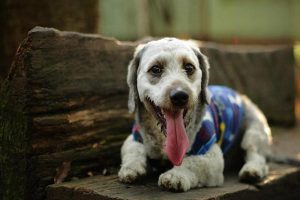
Self-biting syndrome is a compulsive behavior in dogs that leads to biting of the tail, limbs, or body, causing wounds and infection. It stems from parasites, nutritional gaps, allergies, or anxiety, and requires both behavior and medical management.