Search Results
219 results for “arowana”
How long does arowana cloudy-eye take to heal?
With timely treatment, arowana cloudy-eye usually heals in about a week. Untreated, vision declines to blindness. On signs, change water, raise temperature, add salt, and rest a few days for clear improvement. Severe cases need yellow powder and furazolidone, lights off, and rest.
How long can a silver arowana live?
Wild silver arowana generally live 15 to 20 years; captive ones average about 6 to 7 years, but the exact lifespan depends on environment and care. During keeping, keep the environment stable and give enough space; too small a space stunts growth and raises disease risk.
How is keeping a golden arowana with a pearl stingray?
They can be kept together; the arowana is large but gentle and stays in mid-water, while stingrays and red-tail catfish are large bottom dwellers, so they do not conflict. The arowana also mixes with peaceful large tropical fish like discus, parrot, and green terror.
Why won’t my arowana eat?
An arowana may refuse food simply from stress after a move, improving in two or three days. Poor water quality, with spit-out food or lying on the tank floor, also causes refusal and needs water improvement. Wrong water temperature (ideal 24–28°C) or sudden changes suppress appetite. Intestinal infection requires fasting 2–3 days then penicillin or arowana gut medication.

What Fish Can Be Kept With an Arowana?
Arowanas are large, aggressive, territorial fish, so tank mates should be other big, fast swimmers such as parrot cichlids, oscars, datnoids, and rays. Use a tank large enough for each fish's territory, match water parameters (pH, hardness, temperature), and similar diets to avoid conflict.
How do you keep arowana fish?
Keep arowana alone in a large tank with dark background, stable warm water, good filtration, and meaty foods.
How do you care for a silver arowana?
Use a tank at least 1.5×0.5×0.7 m, covered. Water 27–28°C, pH 6.5–7.5, change ~30% weekly. Feed small fish/shrimp or pellets in moderation; keep with similar-sized peaceful fish.
How to Enhance Your Arowana’s Color?
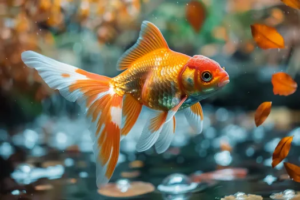
Arowanas are prized for their bold shape and vivid color, but sometimes the fish fade or never reach full brilliance. Color comes from pigments in the scales, so the fix is mostly environmental and dietary. Keep water clean and stable—regular changes, correct temperature, pH, and hardness—and avoid sudden swings that stress a red arowana and stall its coloring. Feed pigment-rich foods like small fish, shrimp, bloodworms, and earthworms, especially during the key coloring stage. Use moderate LED lighting and the right tank background (black suits red arowanas, in a dimmer setup), and balance swimming exercise with proper rest to support pigment production.
How to Get a New Silver Arowana to Start Eating
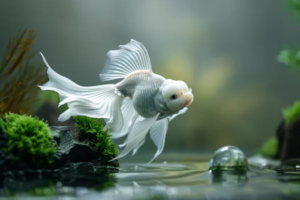
The silver arowana is a premium tropical fish that needs patience; a new fish should rest and adjust before it feeds. Keep the water clean and stable, hold the temperature at 25 to 28 degrees Celsius with a heater, and offer high-protein food such as fresh fish or quality pellets while watching which it prefers. Give a quiet, calm environment with minimal disturbance, and if it refuses food for a long time, a little aquarium salt can curb bacteria and fungi and spark appetite.
Golden Arowana Care and Husbandry
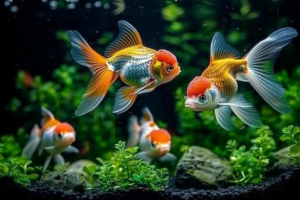
The golden arowana is a large, striking ornamental fish that needs generous space—a pond or an aquarium over 120 cm long. It prefers soft, slightly acidic water and a steady 24–26°C (28–30°C for silver and black varieties), with new and old water kept within 2°C to avoid shock. Good filtration, an air pump for oxygen, and a covered tank prevent stress and disease. Aim for 3–4 hours of sunlight daily, or 5–7 hours of full-spectrum lighting, to support growth and color. Sound husbandry—clean water, stable temperature, sensible feeding—is the best defense against the common signs of illness: dull color, sluggish swimming, and drooping eyes.